
Get a quote in only 3 steps!
1. Add the items you are interested in to your cart
2.Go to your cart
3.Click on GENERATE A QUOTE
Tous vos devis sont accessibles à partir de votre compte client.
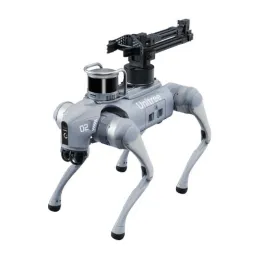
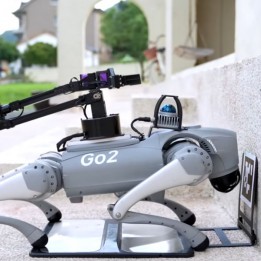
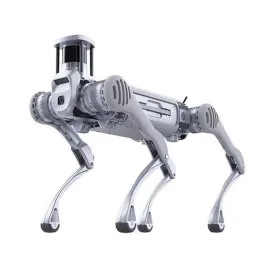
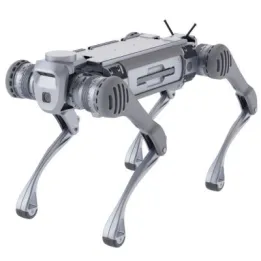
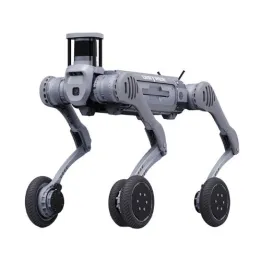
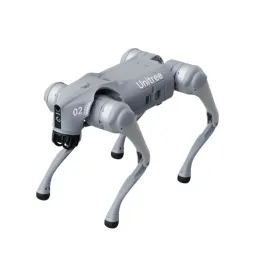
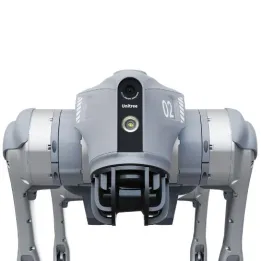
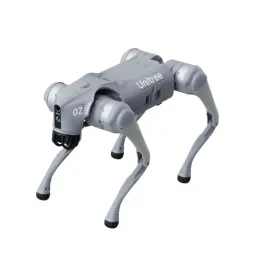
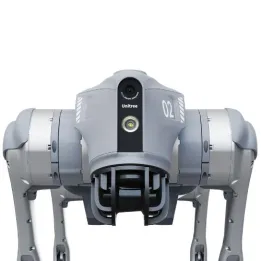
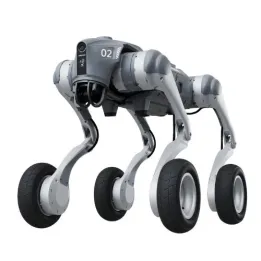
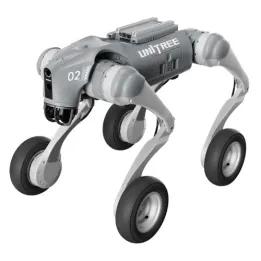
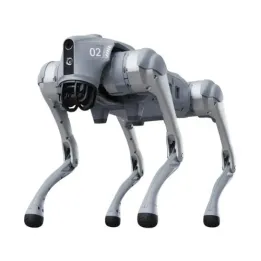
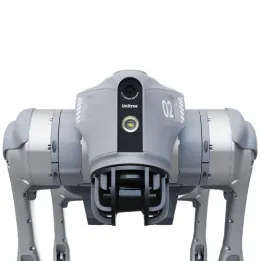
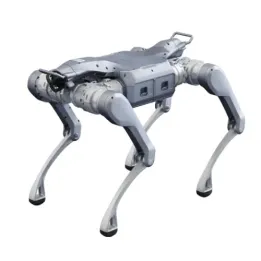
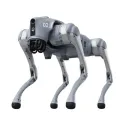
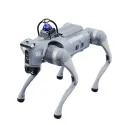
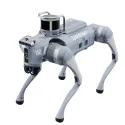
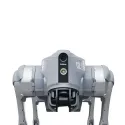
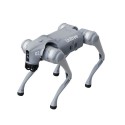
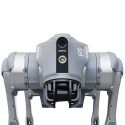
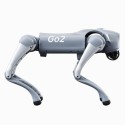
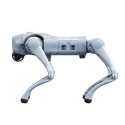
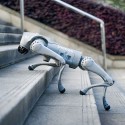
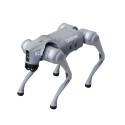
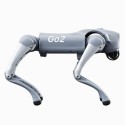
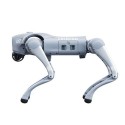
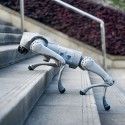
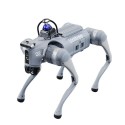
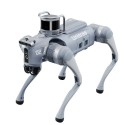
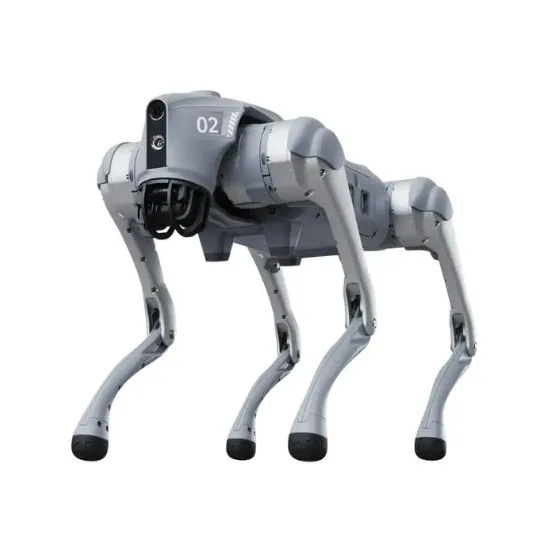
Available in 4 versions, the Go2 Edu Plus robot is an ideal tool for Research, Education, and Robotics. It integrates Artificial Intelligence and a 4D LiDAR with hemispheric vision.
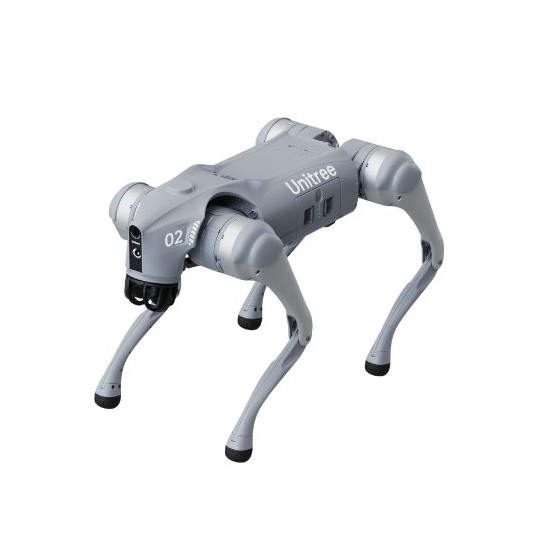
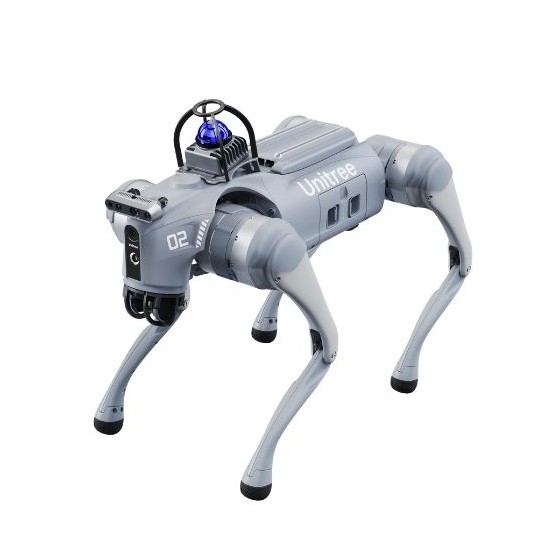
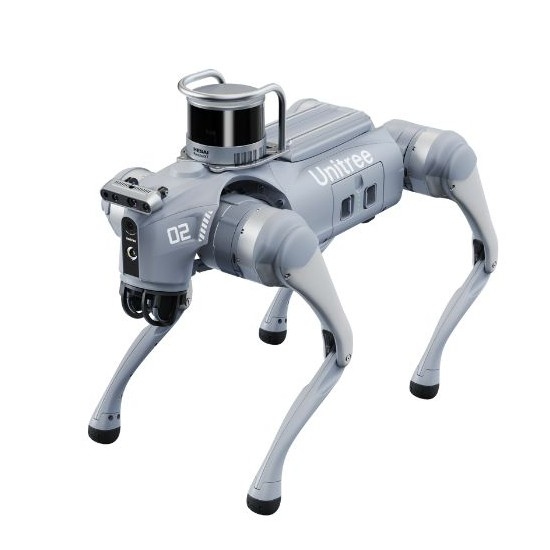
| Go2 Edu Plus 40 TOPS Computing | Go2 Edu Plus 100 TOPS Computing | Go2 Edu Plus 3D Mid-360 LiDAR | Go2 Edu Plus 3D XT16 LiDAR | |
| Computing power | 40 TOPS Computing | 100 TOPS Computing | 100 TOPS Computing | 100 TOPS Computing |
| LiDAR | Without additional LiDAR | Without additional LiDAR | 3D Mid-360 LiDAR | 3D Hesai XT16 LiDAR |
| Camera | Intel RealSense D435i camera | Intel RealSense D435i camera | Intel RealSense D435i camera | Intel RealSense D435i camera |
| Average payload | 8 kg | 8 kg | 8 kg | 8 kg |
| Maximum payload | 12 kg | 12 kg | 12 kg | 12 kg |
| Speed | 0 to 3.7 m/s | 0 to 3.7 m/s | 0 to 3.7 m/s | 0 to 3.7 m/s |
| Max. speed | 5 m/s (18 km/h) | 5 m/s (18 km/h) | 5 m/s (18 km/h) | 5 m/s (18 km/h) |
| Max. step height | 160 mm | 160 mm | 160 mm | 160 mm |
| Battery life | 2 to 4 h | 2 to 4 h | 2 to 4 h | 2 to 4 h |
| Battery | Long-life (15,000 mAh) | Long-life (15,000 mAh) | Long-life (15,000 mAh) | Long-life (15,000 mAh) |
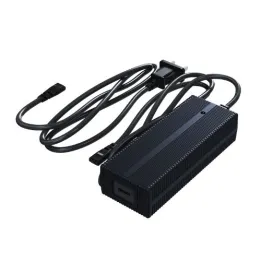
| Charger | Fast charging (33.6 V 9 A) | Fast charging (33.6 V 9 A) | Fast charging (33.6 V 9 A) | Fast charging (33.6 V 9 A) |
| Charging time | 1 h 30 | 1 h 30 | 1 h 30 | 1 h 30 |
| Weight | 15 kg | 15 kg | 15 kg | 15 kg |
| Dimensions | 70 x 31 x 40 cm | 70 x 31 x 40 cm | 70 x 31 x 40 cm | 70 x 31 x 40 cm |
The Unitree Go2 Edu Plus is a programmable quadruped robot intended for research, higher education and robotics development. It can be used for mobile robotics, autonomous navigation, mapping, teleoperation and embedded perception projects.
The different Go2 Edu Plus versions mainly differ in their onboard computing power and the optional integration of a 3D LiDAR. The 40 TOPS and 100 TOPS versions address different onboard processing needs, while the Mid-360 LiDAR and XT16 LiDAR versions are more oriented toward SLAM, navigation and 3D perception projects.
Yes, the Unitree Go2 Edu Plus robot dog is ROS-compatible. This compatibility makes it possible to integrate it into software development, algorithm testing, sensor integration and mobile robotics teaching workflows.
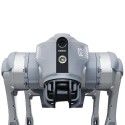
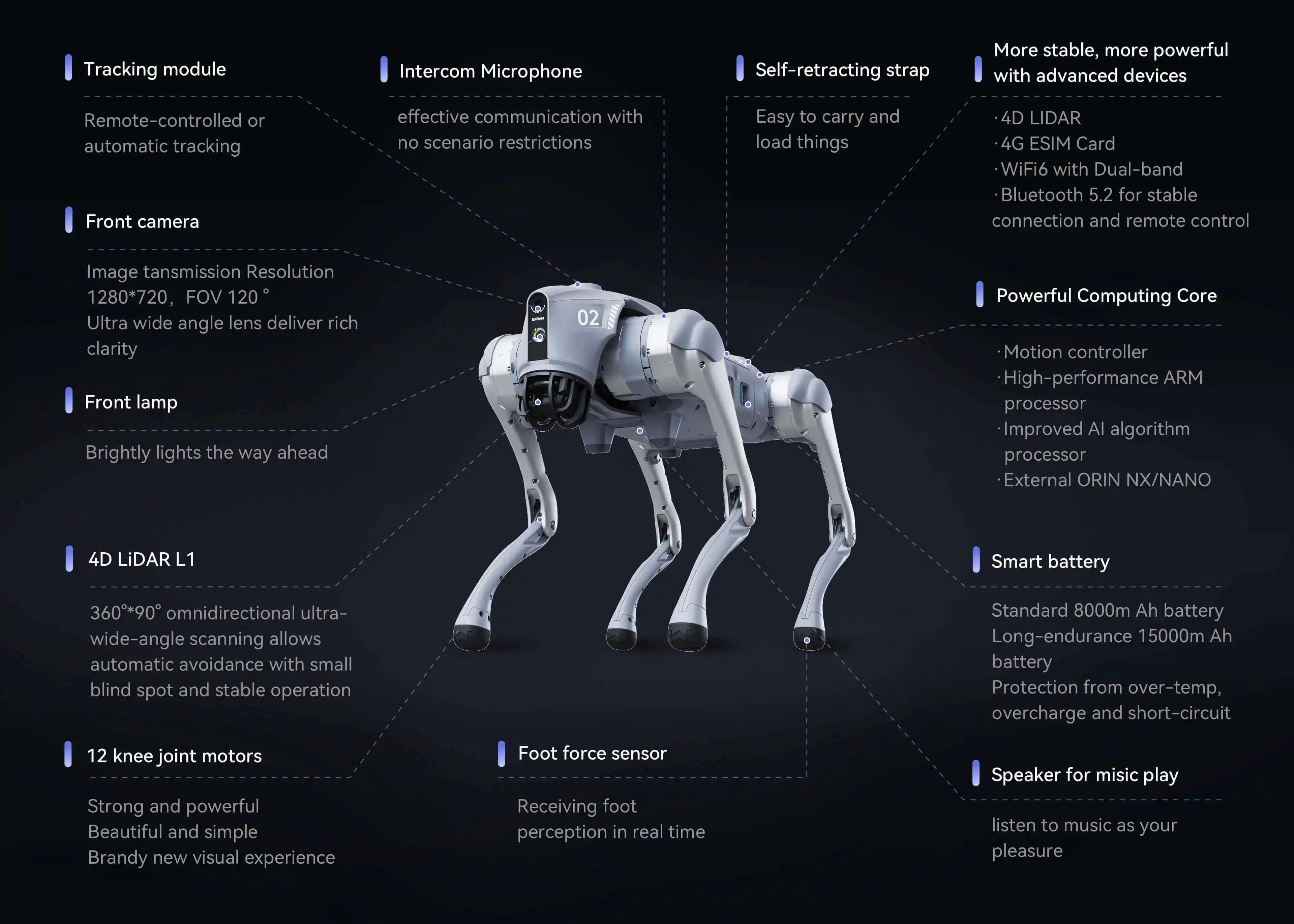
The Go2 Edu Plus integrates a 4D L1 LiDAR, an Intel RealSense D435i camera, a tracking sensor and foot force sensors. Depending on the selected version, it can also include a Mid-360 3D LiDAR or a Hesai XT16 3D LiDAR.
Yes, the Unitree Go2 Edu Plus is suitable for laboratories, universities, research professors and R&D teams looking for a quadruped platform for locomotion, navigation, data collection, ROS or robotics experimentation.
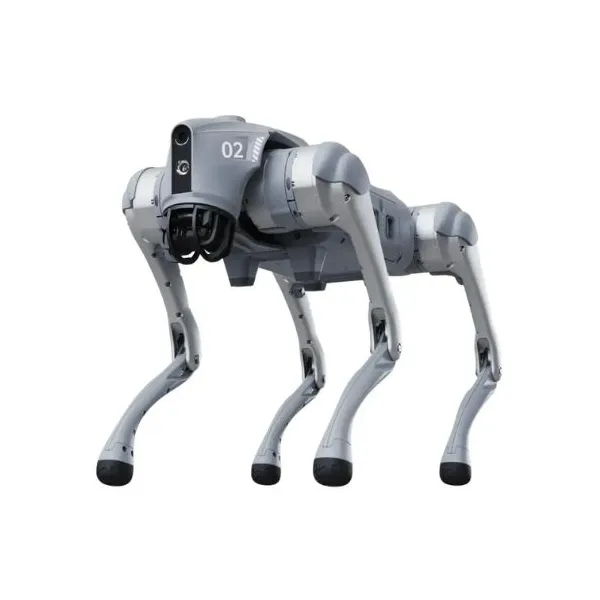
Available in 4 versions, the Go2 Edu Plus robot is an ideal tool for Research, Education, and Robotics. It integrates Artificial Intelligence and a 4D LiDAR with hemispheric vision.