
Humanoid robots
Humanoid robots are robotic platforms designed to partially reproduce human morphology, with a head, torso, arms and, depending on the model, articulated legs. This architecture is not only intended to resemble the human body: it is primarily used to study how a robot can perceive, move, manipulate and interact in environments designed for humans.
Humanoid robotics now plays an important role in robotics research, artificial intelligence, human-robot interaction and education. These platforms are used to test perception algorithms, motion planning, real-time control and bipedal locomotion, while also providing a practical support for teaching and experimental projects.
In this category, you will find different approaches to humanoid robotics, with platforms developed by Unitree Robotics, Booster Robotics, as well as well-known references in education and research such as NAO and Poppy.
Why use a humanoid robot?
A humanoid robot makes it possible to address robotic challenges that are difficult to study with a simple robotic arm or a conventional mobile base. Its structure creates constraints similar to those found in biological systems or human environments: balance, motor coordination, multimodal perception, voice or gesture interaction, and manipulation in confined spaces.
These robots are especially relevant for working on:
- human-robot interaction
- bipedal locomotion and dynamic balance
- robotic manipulation
- visual, auditory and spatial perception
- embedded artificial intelligence systems
They are therefore used in universities, research laboratories, engineering schools and innovation centers looking to experiment with advanced approaches in autonomous robotics.
Comparison of humanoid robots
Not all humanoid platforms are designed for the same goals. Some are intended for education and interaction, while others are used for advanced research in locomotion or perception. The table below provides an overview of the main positioning of the best-known humanoid robots used in education and research.
| Robot | Manufacturer | Positioning | Strengths | Common uses |
|---|---|---|---|---|
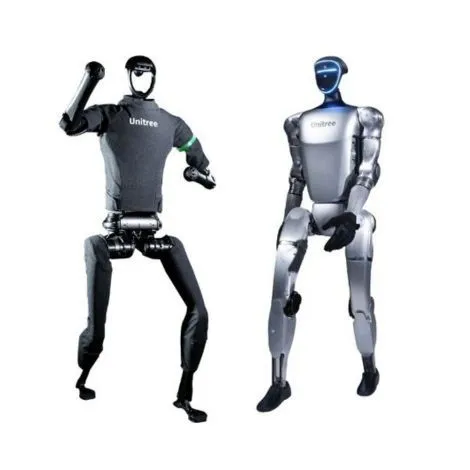
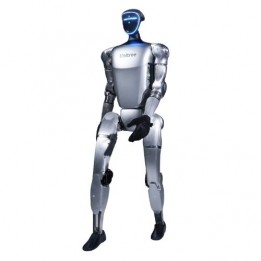
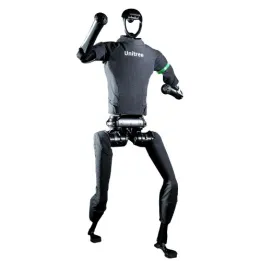
| H1 / G1 | Unitree Robotics | advanced humanoid robotics | dynamic bipedal locomotion, balance, motion control | research, embedded AI, robotics experimentation |
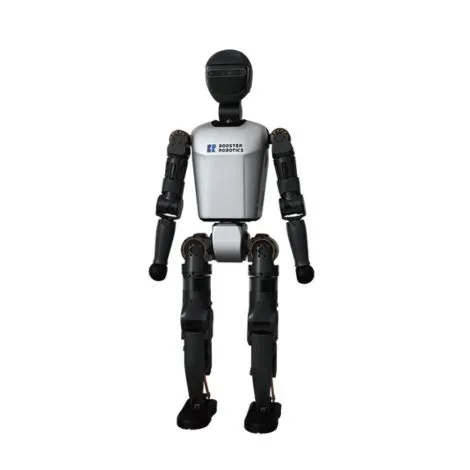
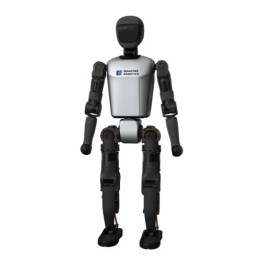
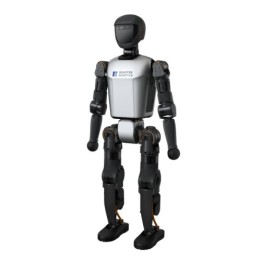
| Booster T1 | Booster Robotics | humanoid technology platform | locomotion, perception, technology demonstration | R&D, demonstrators, innovation projects |
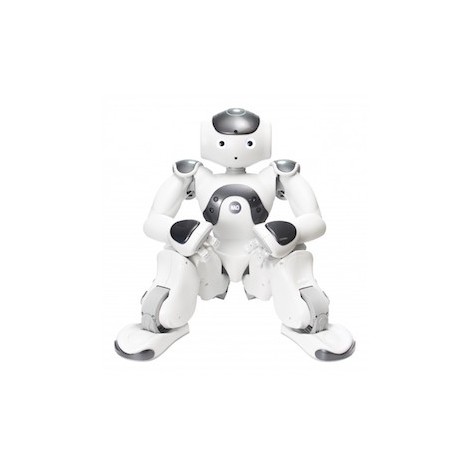
| NAO | Maxtronics | education and human-robot interaction | educational ecosystem, onboard sensors, accessible programming | education, science outreach, HRI research |
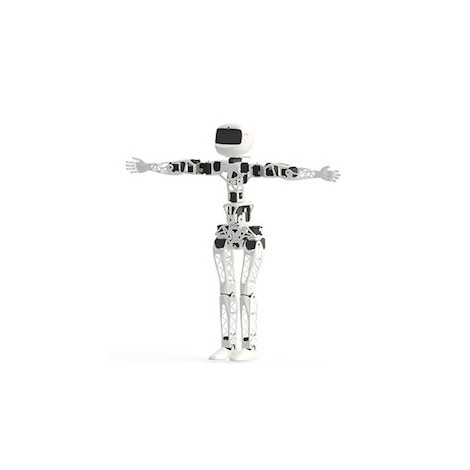
| Poppy Humanoid | Poppy Project | open-source platform | modularity, experimentation, mechanical customization | academic research, prototyping, educational projects |
Unitree Robotics humanoid robots
Unitree Robotics develops a new generation of humanoid robots designed for advanced research. Originally known for its quadruped robots, the brand also offers humanoid platforms intended for the study of bipedal locomotion, dynamic stabilization and real-time motion control.
Unitree humanoid robots are particularly relevant for teams working on:
- dynamic bipedal walking
- robot balance in motion
- whole-body coordination
- environment perception and embedded intelligence
These platforms are suited to research projects where motor performance and motion control are central challenges.
Booster Robotics
Booster Robotics also develops humanoid robots designed as technology platforms for laboratories and innovation projects. These robots are used to experiment with locomotion, robotic perception and the integration of advanced software components.
Booster Robotics platforms make it possible to work on:
- humanoid locomotion
- motor coordination
- the integration of vision systems and sensors
- advanced robotics demonstrations
This positioning makes them an interesting option for teams looking to develop demonstrators or explore new approaches in humanoid robotics.
NAO
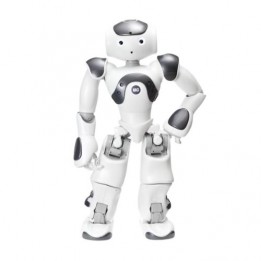
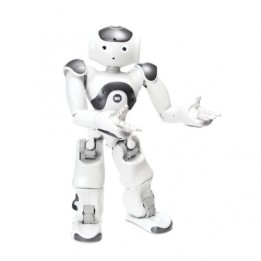
The NAO robot is one of the best-known references in education and research. Its compact size, humanoid structure and software ecosystem make it a particularly relevant platform for learning robotics, programming and studying human-robot interaction.
NAO is often used for:
- teaching robotic programming
- artificial intelligence projects
- human-robot interaction studies
- educational and scientific demonstrations
It provides an accessible platform for institutions wishing to introduce humanoid robotics into educational or science outreach projects.
Poppy
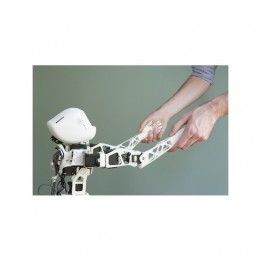
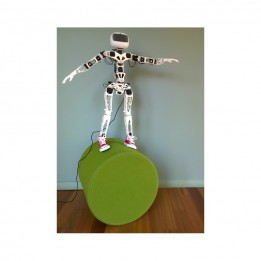
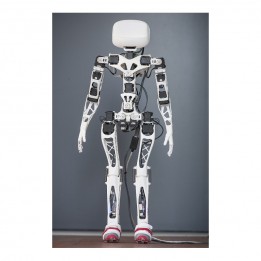
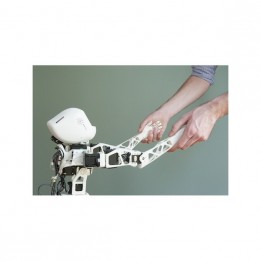
Poppy is an open-source humanoid platform developed for research and education. Its modular architecture allows researchers, teachers and students to modify the robot, experiment with different mechanical approaches and test motion control algorithms.
Poppy is particularly relevant for:
- academic research
- open-source robotics
- experimentation around movement
- educational projects in mechatronics and robotics
Its open nature makes it a relevant tool for teams that want not only to use a robot, but also to understand and evolve its structure.
Bipedal locomotion in humanoid robotics
Bipedal locomotion is one of the main challenges in humanoid robotics. Walking on two legs requires the robot to maintain its balance while managing complex movements, weight transfers and continuous adjustments in response to disturbances.
To achieve this stability, humanoid robots generally rely on:
- inertial sensors (IMUs) to measure orientation and acceleration
- real-time controllers to drive the joints
- dynamic models of the robot and its center of mass
- stabilization and step-planning algorithms
Walking, standing up, maintaining posture or compensating for disturbances are all topics studied using these platforms. Bipedalism is therefore not just a spectacular feature: it is a true field of research in advanced robotics.
Sensors and embedded artificial intelligence
Modern humanoid robots integrate different sensors that allow them to perceive their environment and adapt their behavior. This perception is essential for interaction, navigation, manipulation and the understanding of complex situations.
Depending on the model, a humanoid robot may integrate:
- RGB or stereo cameras for vision
- depth sensors
- microphones for voice recognition
- force or torque sensors in the joints
- inertial sensors for posture control
This data can be used by embedded artificial intelligence systems to:
- recognize objects, faces or gestures
- interpret voice commands
- plan movements adapted to the environment
- adjust the robot’s posture or trajectory
The combination of onboard perception, computing and motion control therefore makes humanoid robots valuable experimental platforms for autonomous robotics and applied AI.
Applications of humanoid robots
Humanoid robots are primarily used as experimentation platforms. Their value lies less in a generic promise of automation than in their ability to combine, within a single system, challenges related to movement, perception and interaction.
They are notably used in projects involving:
- humanoid robotics
- human-robot interaction
- multimodal perception
- locomotion and balance
- robotics and artificial intelligence education
For laboratories and educational institutions, they provide comprehensive platforms for exploring cross-disciplinary challenges ranging from mechatronics to embedded software.
Choosing a humanoid robot
Choosing a humanoid robot depends on several criteria: target technical level, teaching or scientific objectives, expected type of interaction, available sensors, software compatibility, mechanical architecture and platform robustness.
A platform intended for programming education will not meet the same needs as a robot designed for research in bipedal locomotion or embedded artificial intelligence. It is therefore useful to distinguish between education-oriented robots, open-source platforms and more advanced systems intended for experimental research.
FAQ – Humanoid robots
What is a humanoid robot?
A humanoid robot is a robot whose structure is partially inspired by the human body. It may include a head, torso, arms and sometimes articulated legs in order to study perception, movement and interaction in environments designed for humans.
What is a humanoid robot used for?
Humanoid robots are used in robotics research, education, artificial intelligence, bipedal locomotion, human-robot interaction and technology demonstrations.
What are the advantages of a humanoid robot for research?
A humanoid robot makes it possible to work on several challenges at the same time: motion control, dynamic balance, robotic vision, perception, manipulation, social interaction and embedded artificial intelligence.
What is the difference between a humanoid robot and a quadruped robot?
A humanoid robot adopts a morphology close to that of a human being, while a quadruped robot relies on four-legged locomotion. Humanoid robots are particularly relevant for bipedalism, manipulation and interaction in human environments, whereas quadrupeds are often preferred for their stability on complex terrain.
Which humanoid robots are used today in education and research?
Several platforms are used in education and research, notably robots developed by Unitree Robotics, Booster Robotics, as well as well-known references such as NAO and Poppy.
Why is bipedal locomotion an important topic?
Bipedal locomotion requires maintaining the robot’s balance while precisely controlling its joints and contact points. It is therefore a central topic in humanoid robotics, real-time control and motion dynamics.
What sensors can be found in a humanoid robot?
Humanoid robots may integrate cameras, depth sensors, microphones, IMUs, as well as force or position sensors in the joints. These elements allow the robot to perceive its environment and adjust its behavior.
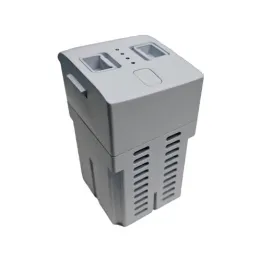
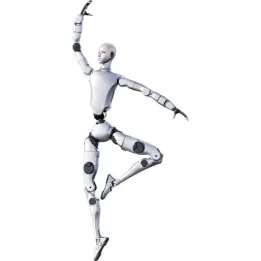
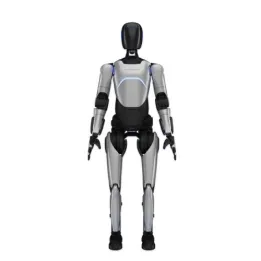
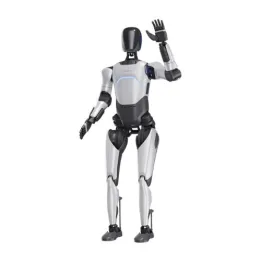
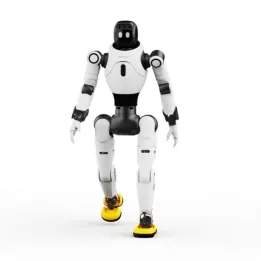
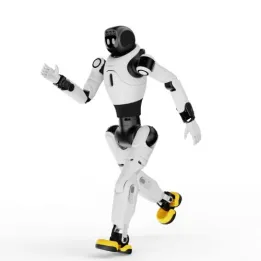
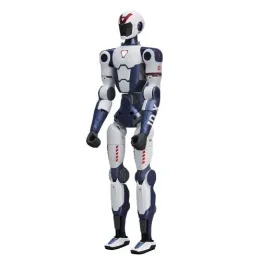
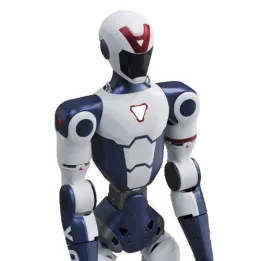
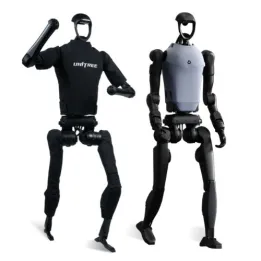
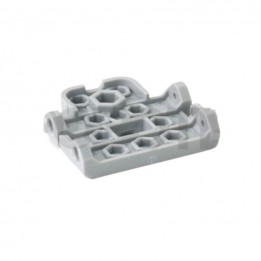
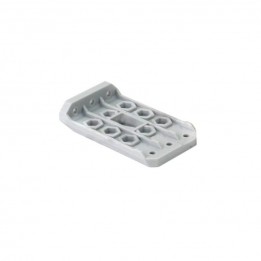
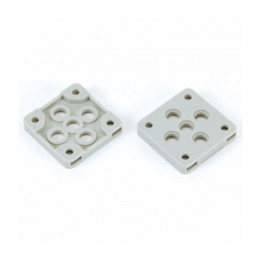
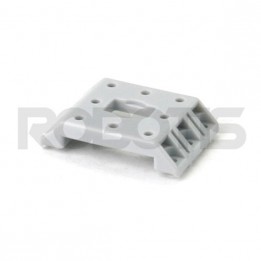
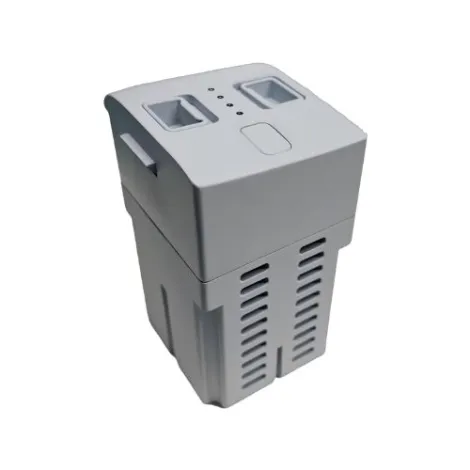
The battery for Unitree R1 is a replacement battery designed to power the Unitree R1 humanoid robot.
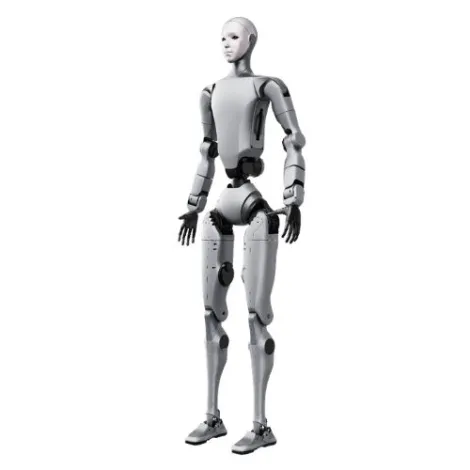
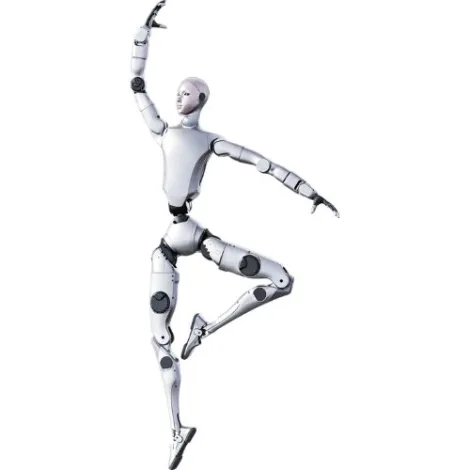
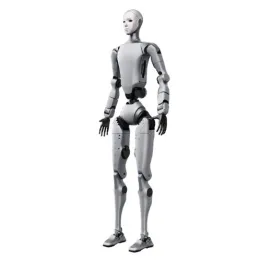
The Unitree H2 is a full-size biped humanoid robot designed for work on locomotion, motion control, embedded perception and, depending on the selected configuration, advanced development.
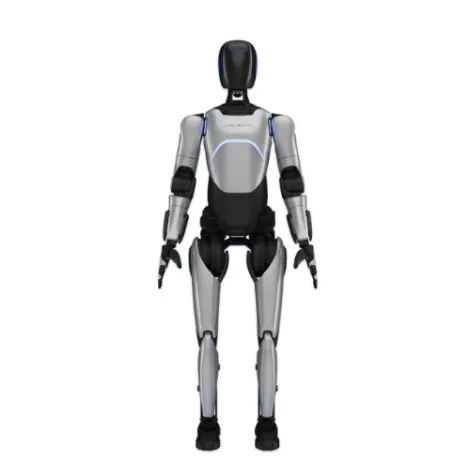
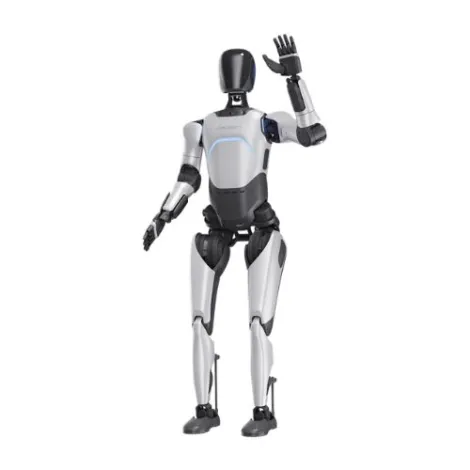
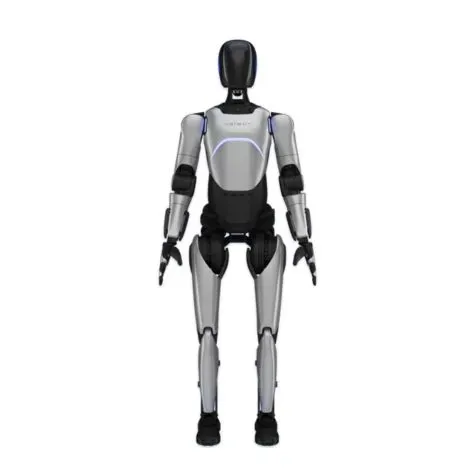
The Agibot A2 Ultra humanoid robot is a full-size humanoid platform designed for interaction, autonomous navigation, technology demonstrations, and certain service robotics or applied R&D projects.
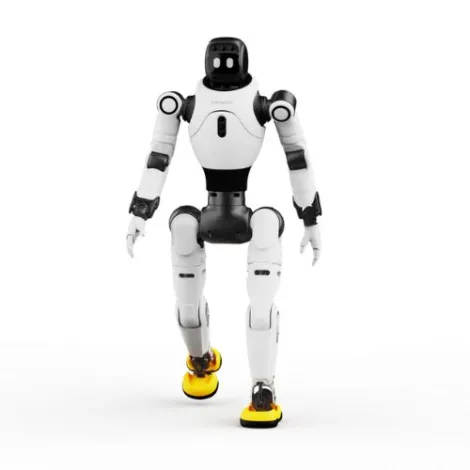
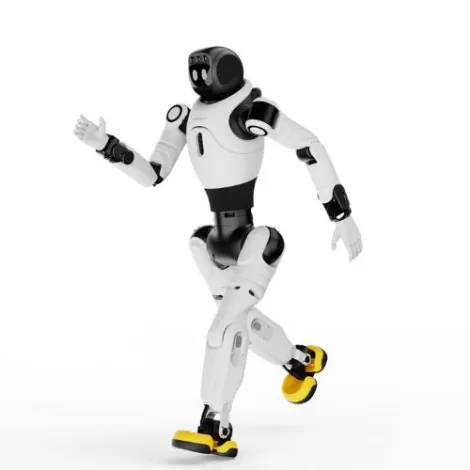
The Agibot X2 Ultra humanoid robot is an advanced platform for autonomous navigation, 3D perception, human-robot interaction, and R&D projects.
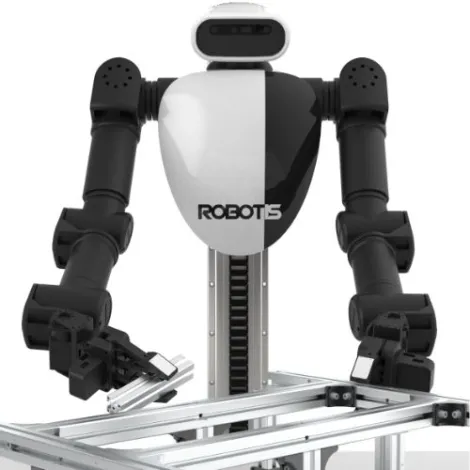
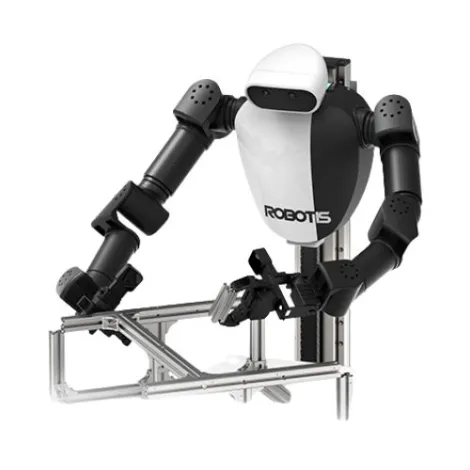
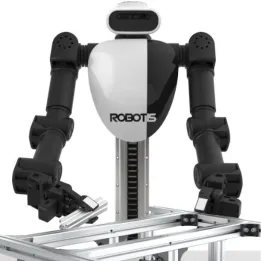
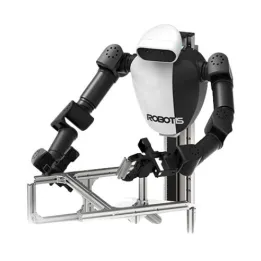
AI WORKER is a “Physical AI” robotic platform combining dual 7-DOF arms, RGBD perception, and onboard Jetson AGX Orin computing, designed to learn tasks through demonstration and execute them in real-world conditions (assembly, inspection, logistics).
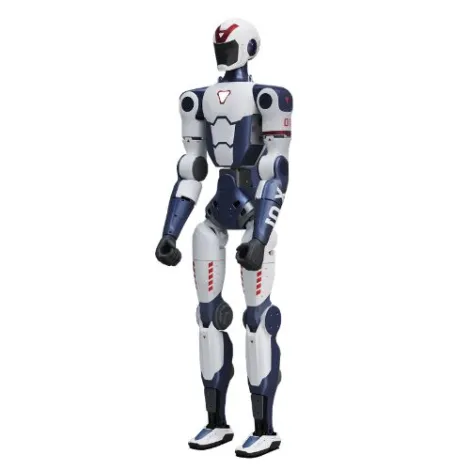
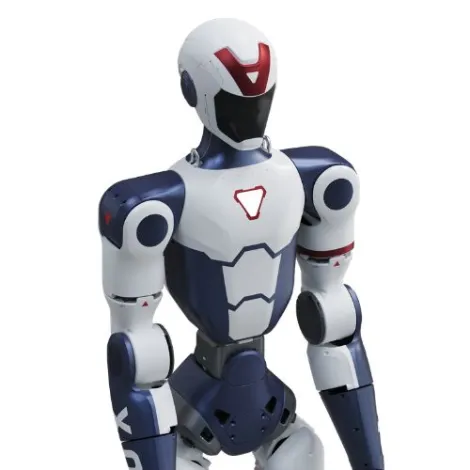
The Unitree R1 Edu is an R&D and education humanoid platform focused on locomotion, manipulation, and on-board AI, with access to high- and low-level programming and simulation (e.g., Isaac Sim).
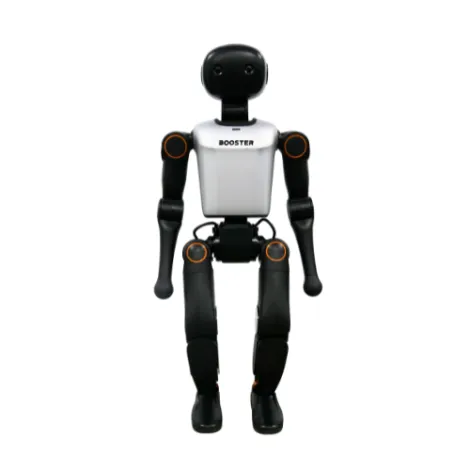
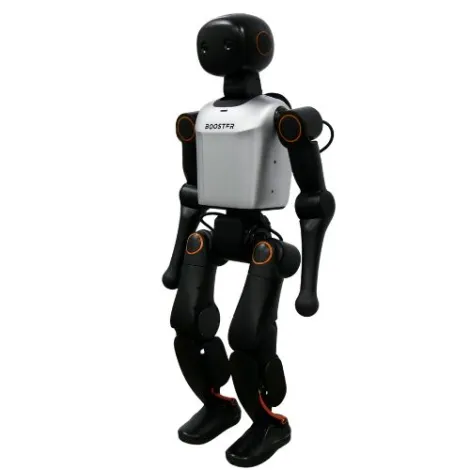
The Booster K1 is a humanoid robot designed for education, research, and interactive demonstration. It combines mobility, computing power, and ergonomics in a compact, ready-to-use format.

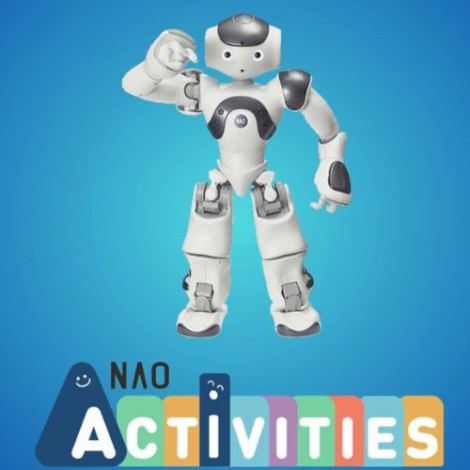
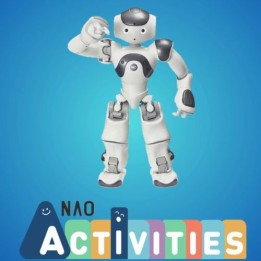
NAO Activities is an interactive educational solution powered by generative AI, designed to make learning more engaging and immersive with the NAO humanoid robot.
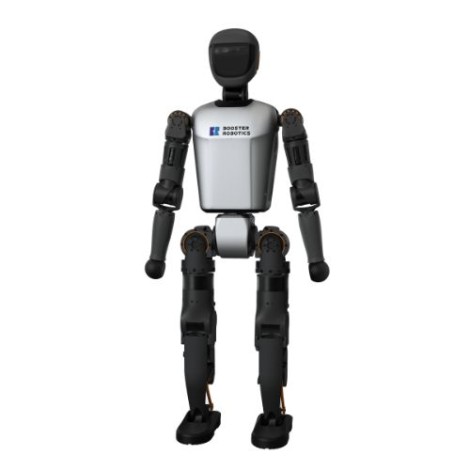
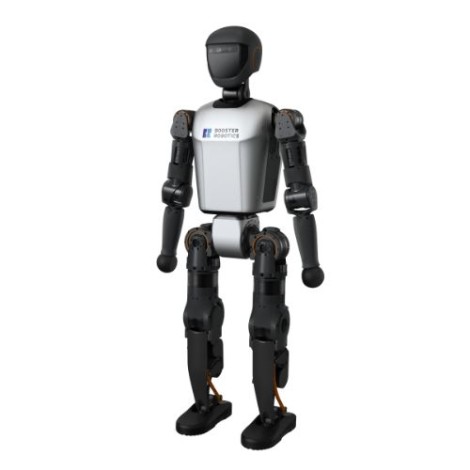
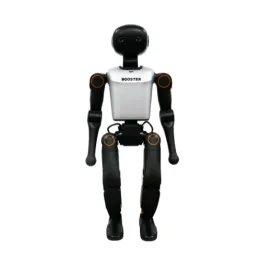
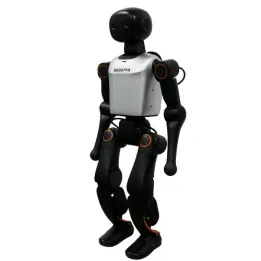
The Booster T1 is a lightweight, high-performance, open-source humanoid robot designed for developers and researchers, featuring a complete API, ROS2 compatibility, and advanced simulation and AI capabilities.
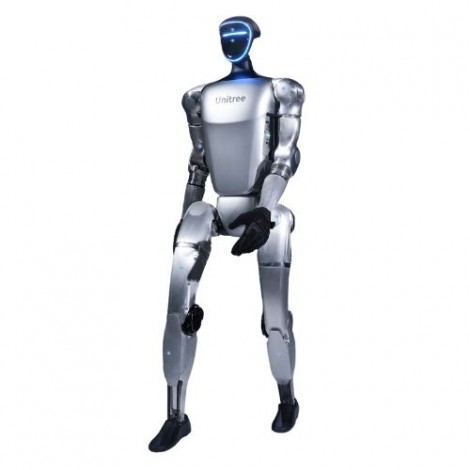
The Unitree G1 Edu is a compact humanoid robot for education and research, featuring depth + 3D LiDAR sensing, a Jetson Orin computing platform, and optional dexterous hands for manipulation and development.
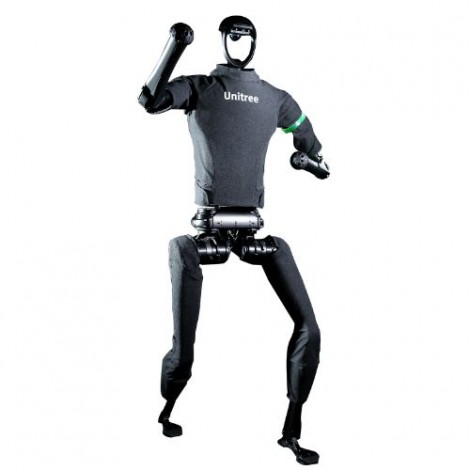
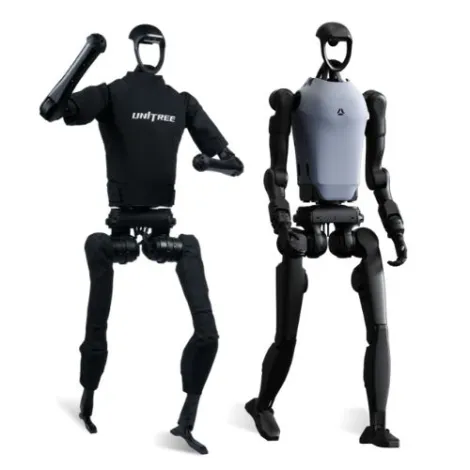
The Unitree H1 / H1-2 is a full-size humanoid designed for R&D, combining dynamic locomotion with 360° 3D perception (3D LiDAR + depth camera).
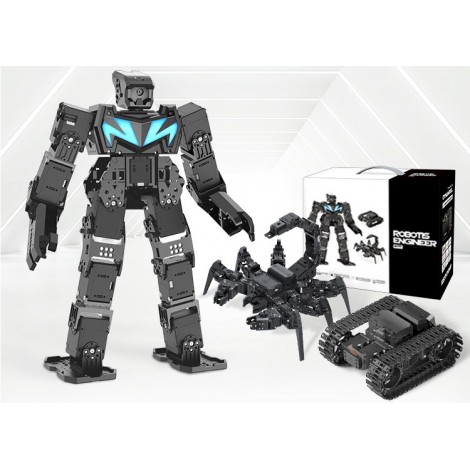
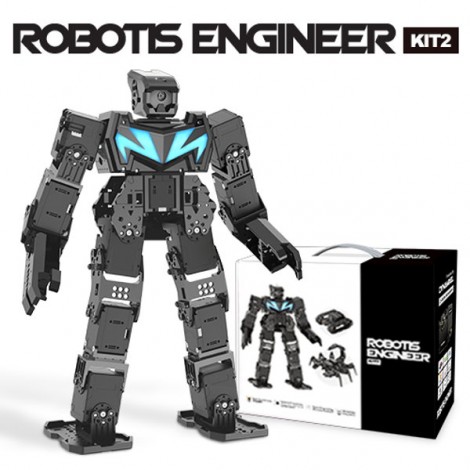
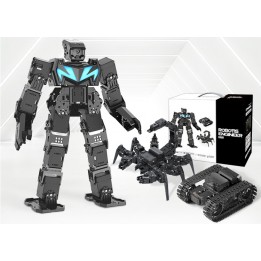
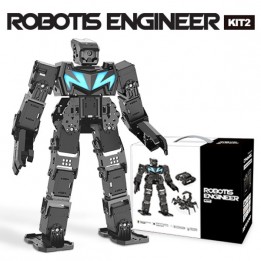
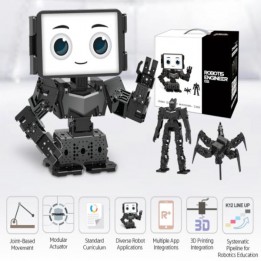
This new Robotis Engineer kit designed for higher education in robotics and programming comes equipped with Raspberry Pi V2 camera module and a Raspi Zero Board to develop your robotic vision skills.
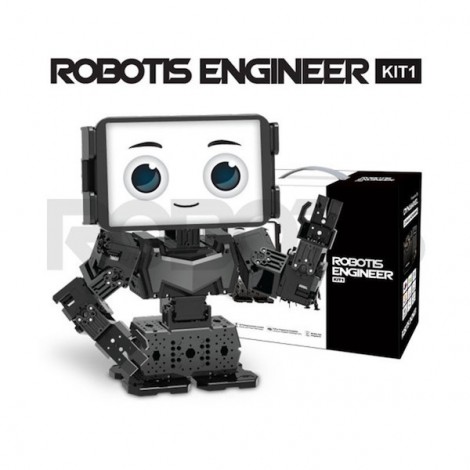
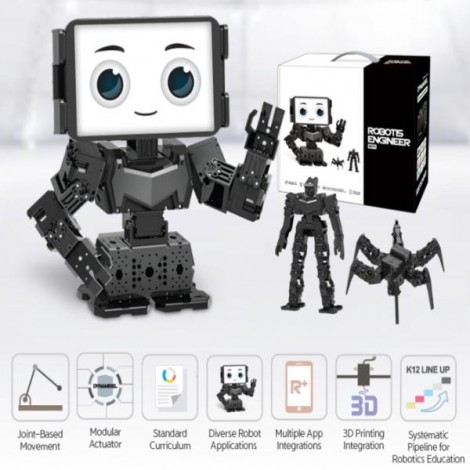
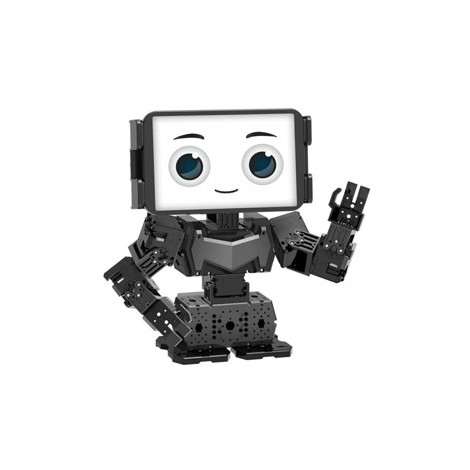
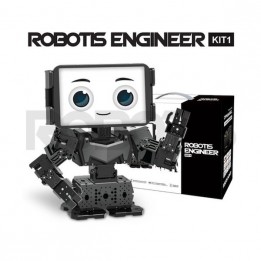
The Robotis Engineer Kit 1 includes a set of robotics solutions for education, app development and competition. With this kit, you can create various articulated, smart robotics platforms.
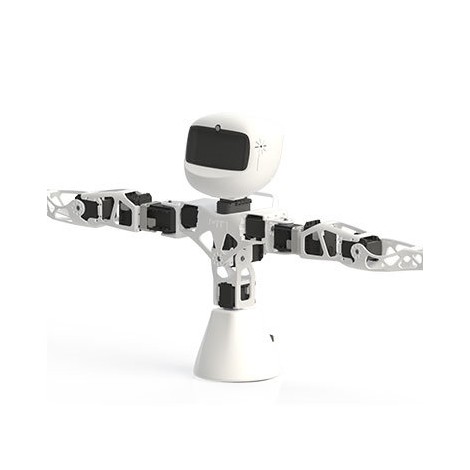
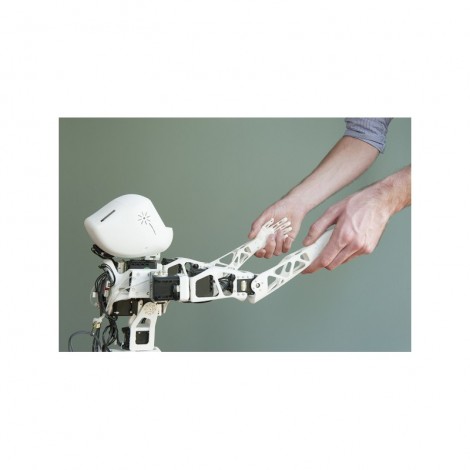
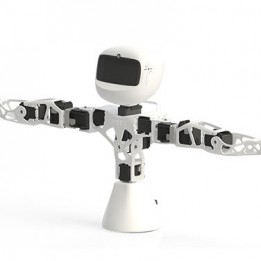
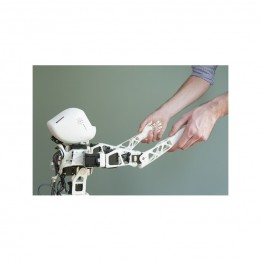
Kit for Poppy Torso robot with Raspberry electronics (the 3D parts are not included in this set). The Torso version does not have legs, contrary to Poppy Humanoid version. Please note that this robotics set does not include any screen for Poppy’s eyes.
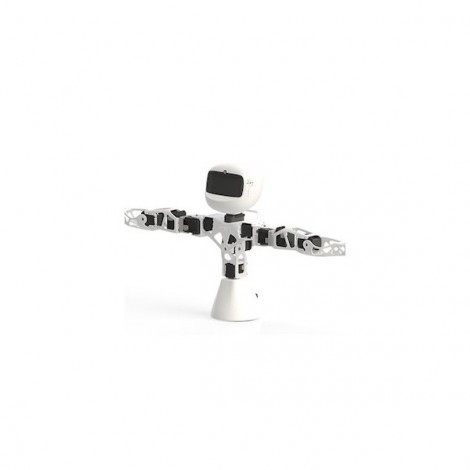
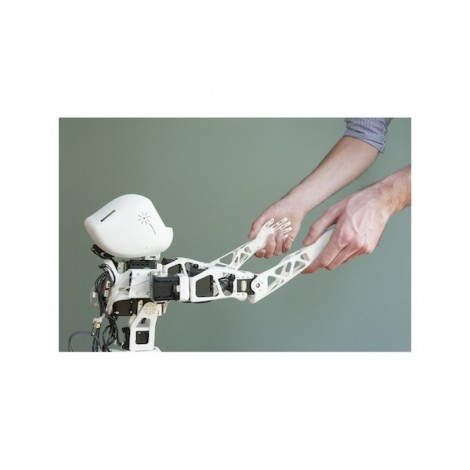
Kit for Poppy Torso robot with Raspberry electronics and 3D printed parts. The Torso version does not have legs, contrary to Poppy Humanoid version.
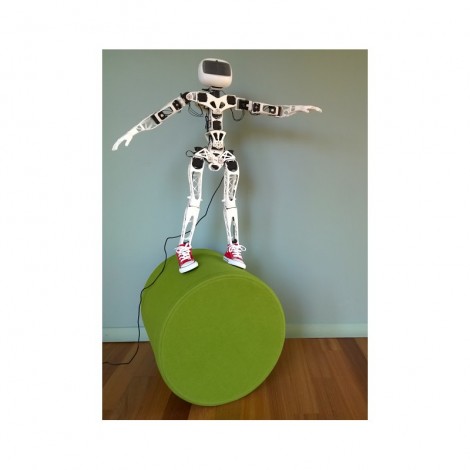
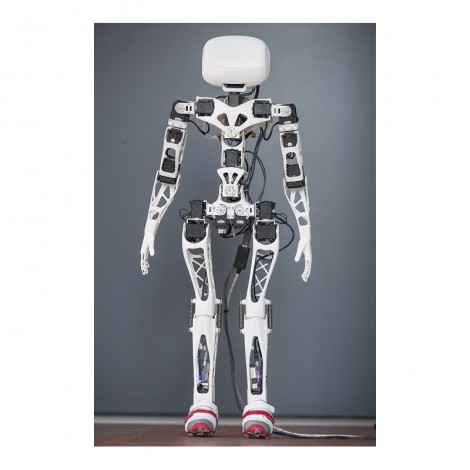
Kit for Poppy Humanoid robot with Raspberry electronics. This kit contains all the elements (Dynamixel actuators, electronics, connectors, ...) to assemble Poppy. The 3D parts are not included in this kit.
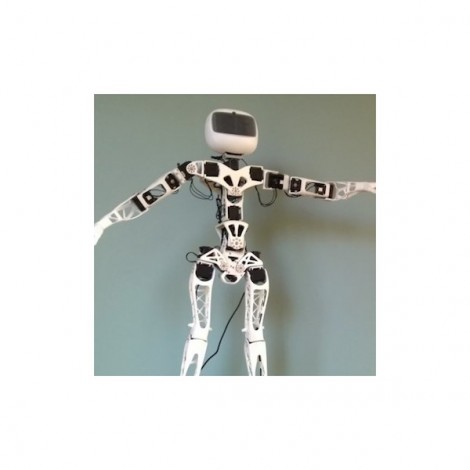
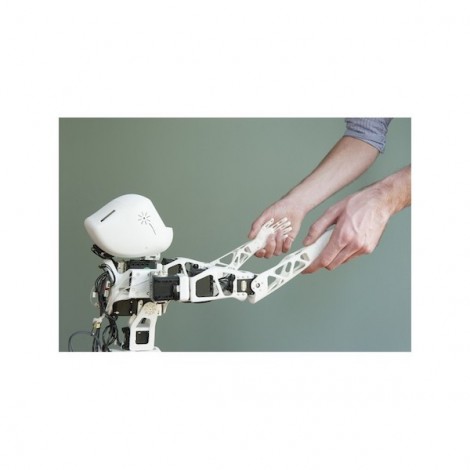
Kit for Poppy Humanoid robot with Raspberry electronics. This kit contains all the elements (Dynamixel actuators, electronics, connectors, ...) to assemble Poppy including 3D printed parts.
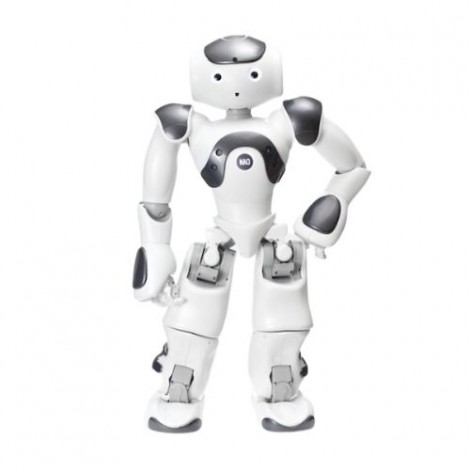
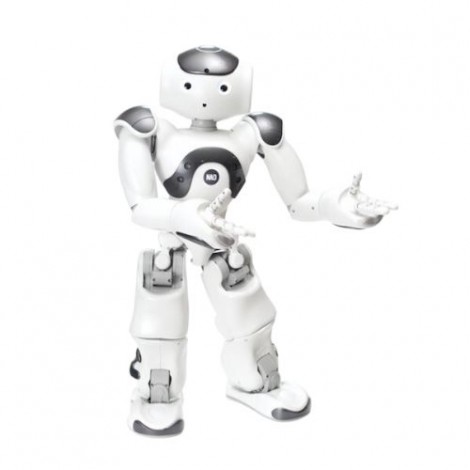
NAO6 in dark gray is the sixth generation of the interactive humanoid robot NAO. He is autonomous and fully programmable. This robot is aimed at the professionals and academics.
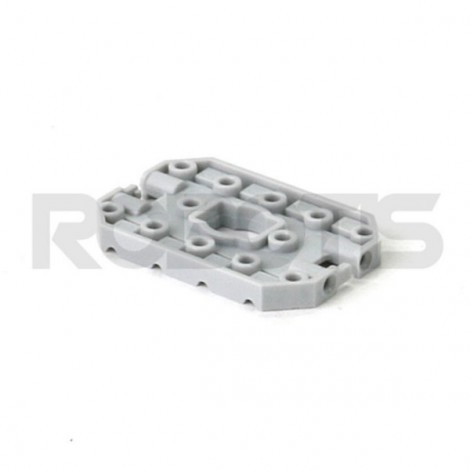
Use these small Robotis Premium FP04-F10 structural components with your Robotis Premium Bioloid kit for perfect hardware compatibility.
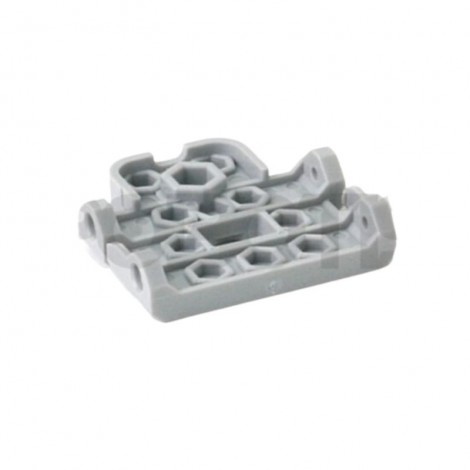
A kit of 6 Robotis FP04-F7 structural components designed exclusively for your Bioloid kit.
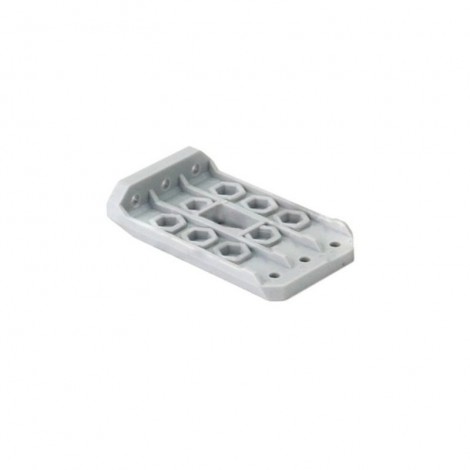
A kit of 12 Robotis FP04-F6 structural components in engineering plastic for your Bioloid kit.
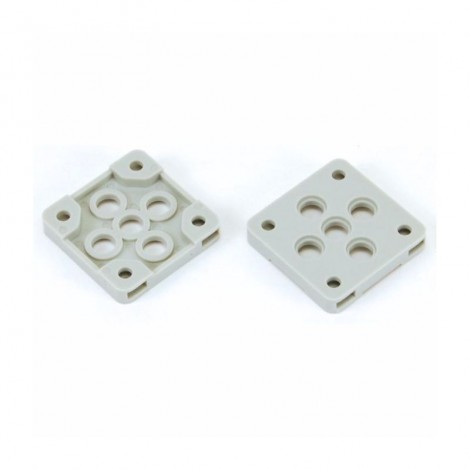
Designed for replacing or improving the parts in your Bioloid kit, these 4 Robotis FP04-F54 structural components are built to last!
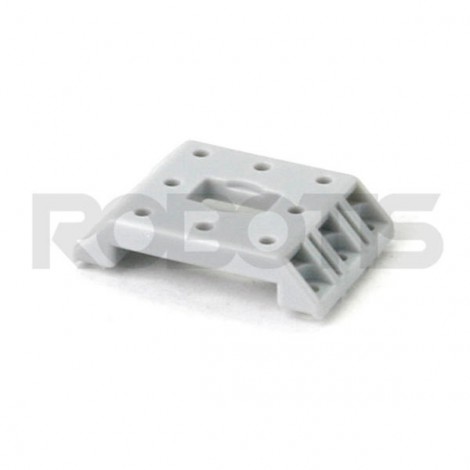
Do you need replacement parts for your Bioloid chassis? The Robotis FP04-F53 structural components should help!
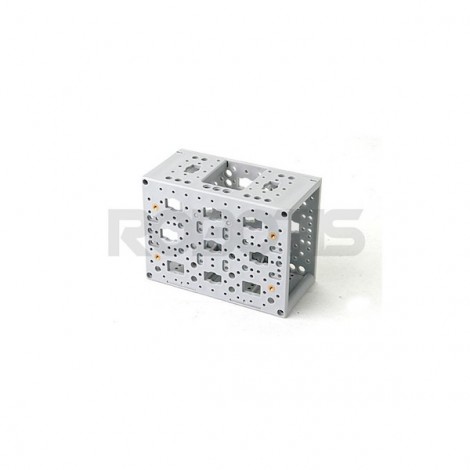
The Robotis FP04-F51/F52 structural components are part of the Bioloid kits powered by Dynamixel AX-series servos. They are made of extremely robust material.