
Quadruped robots
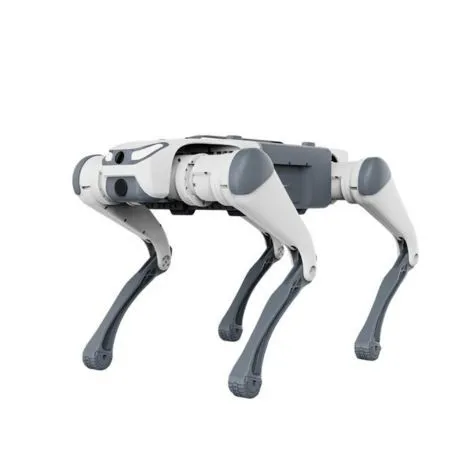
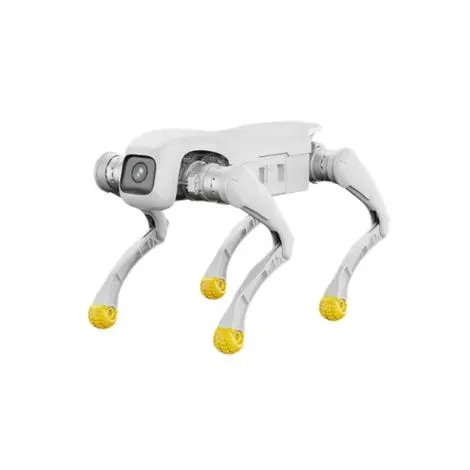
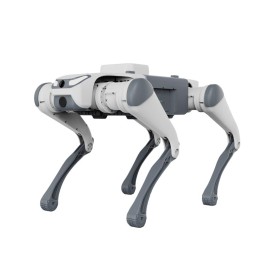
Quadruped robots are mobile robots capable of moving using four articulated limbs. Inspired by animal locomotion, they are designed to operate in environments where wheeled robots quickly reach their limits: uneven terrain, stairs, obstacles, or unstable surfaces.
Thanks to recent advances in mechatronics, artificial intelligence, and robotic perception, these robots are now used as research, development, and experimentation platforms. In particular, they make it possible to study dynamic locomotion, autonomous navigation, 3D perception, and robot-environment interaction.
Quadruped robots are now used in many robotics laboratories, universities, and innovation centers, as well as in certain industrial contexts requiring mobile systems capable of operating in complex environments.
A new generation of mobile robots
Unlike wheeled or tracked robots, quadruped robots can continuously adapt their posture and contact points with the ground. This capability allows them to maintain stability while overcoming obstacles or moving across rough terrain.
This robotic architecture relies on several key technologies:
- high-performance actuators to control the joints
- dynamic locomotion algorithms
- inertial and environmental perception sensors
- autonomous navigation systems
The combination of these technologies allows quadruped robots to operate in complex environments and explore spaces that are difficult to access for traditional mobile robots.
Quadruped robots for robotics research
In academia, quadruped robots are now widely used as experimental platforms for mobile robotics research. They make it possible to test motion control algorithms, locomotion models, and advanced perception systems.
Research teams use these robots in particular to work on:
- dynamic robotic locomotion
- autonomous navigation and SLAM
- 3D perception and sensor fusion
- autonomous robotic systems
These platforms are also used in robotics education to allow students to work with advanced mobile robots.
Unitree Robotics
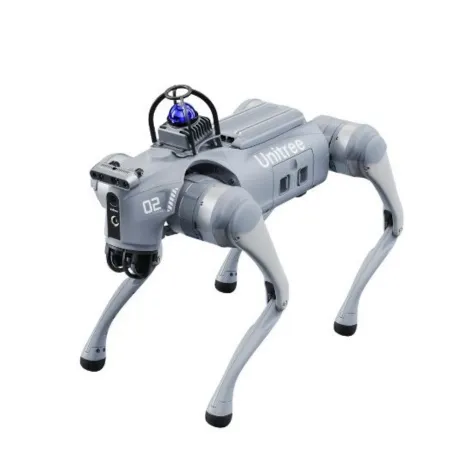
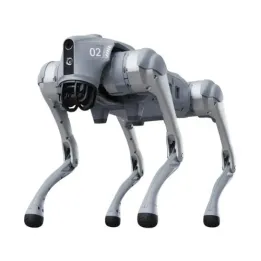
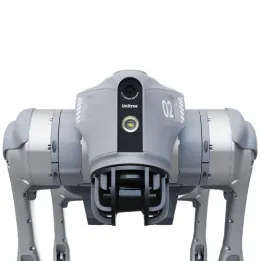
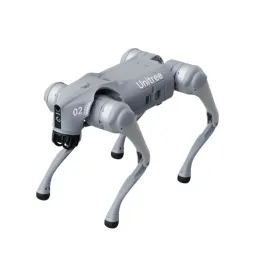
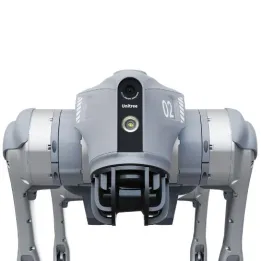
Unitree Robotics is one of the best-known manufacturers in the field of quadruped robots. The company develops compact, high-performance mobile robots used in many research laboratories and innovation centers.
Unitree robots are often used for:
- mobile robotics research projects
- artificial intelligence experiments
- autonomous navigation projects
- technology demonstrations
Their compact architecture and dynamic locomotion make them particularly suitable platforms for research environments and experimental projects.
Deep Robotics
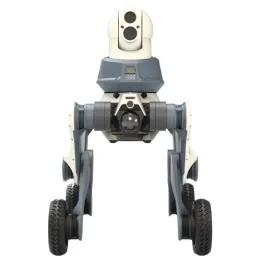
Deep Robotics also develops a range of quadruped robots designed to operate in more demanding environments. Some models are geared toward field robotics and infrastructure inspection.
Deep Robotics robots stand out in particular for:
- a robust structure suited to outdoor environments
- locomotion capabilities on complex terrain
- higher payload capacity for sensor integration
- an architecture suited to industrial applications
These robots can serve as a foundation for developing robotic solutions intended for inspection, exploration, or analysis of technical environments.
Perception and navigation of quadruped robots
Modern quadruped robots generally integrate different sensors that allow them to analyze their environment and improve their autonomy. These sensors may include:
- LiDAR for 3D mapping
- RGB or stereo cameras
- IMUs for posture estimation
- depth sensors
These systems allow robots to build a representation of their environment and move autonomously while avoiding obstacles.
Choosing a quadruped robot
Choosing a quadruped robot generally depends on several technical criteria:
- payload capacity
- travel speed
- battery life
- onboard sensors
- operating environment (indoor or outdoor)
Depending on the project, these robots can be used as research platforms, technology demonstrators, or bases for developing new robotic applications.
FAQ – Quadruped robots
What is a quadruped robot?
A quadruped robot is a mobile robot equipped with four articulated legs, allowing it to move across various types of terrain and overcome obstacles.
What are quadruped robots used for?
They are used for robotics research, artificial intelligence experimentation, robotic inspection, and certain field robotics applications.
Which manufacturers offer quadruped robots?
Several companies develop quadruped robots, including Unitree Robotics and Deep Robotics, which offer different platforms suited to research and professional applications.
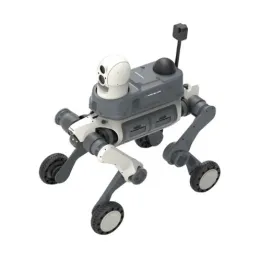
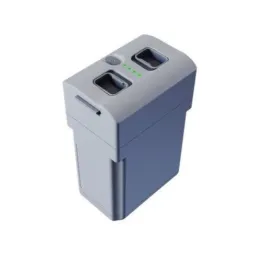
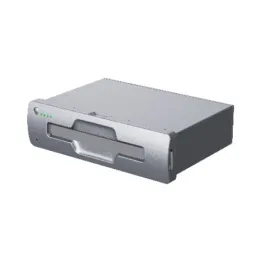
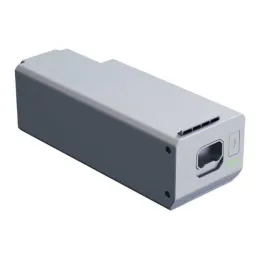
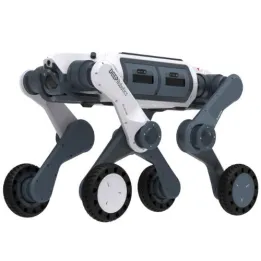
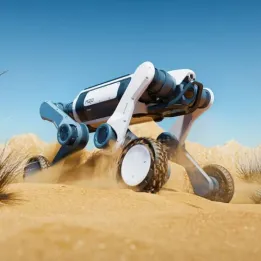
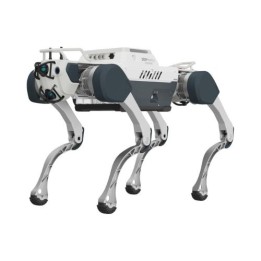
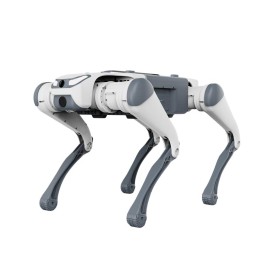
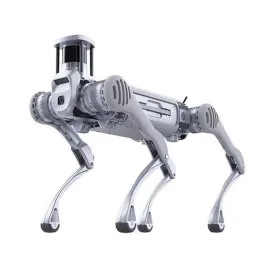
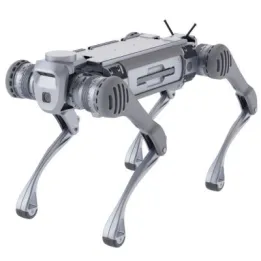
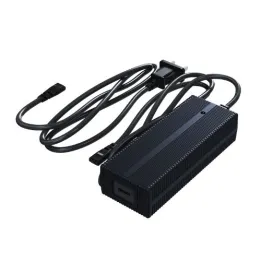
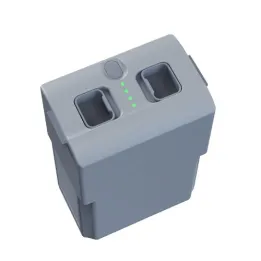
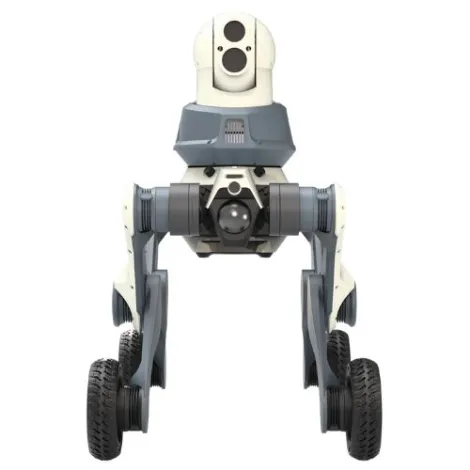
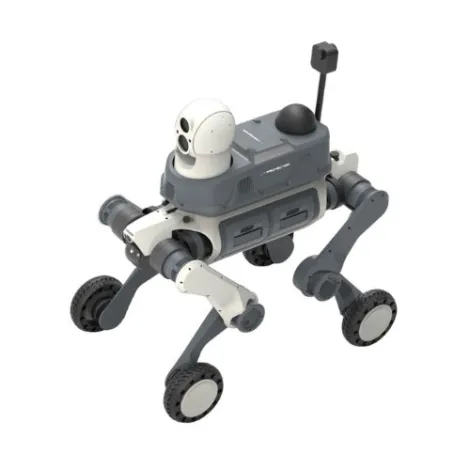
Der LYNX M20 Protector Security ist eine autonome robotische Sicherheitslösung, die für Rundgänge, Ereigniserkennung, Videoverifikation und Fernüberwachung entwickelt wurde.
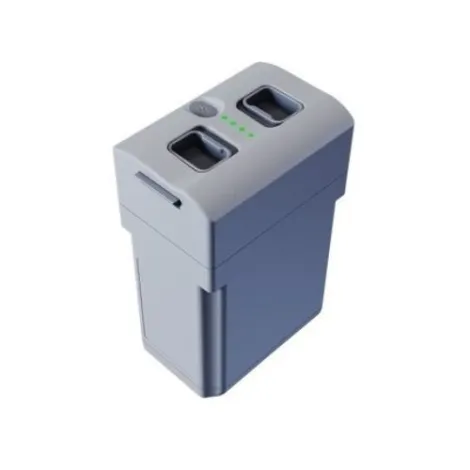
The battery for Unitree G1 is a replacement battery designed to power the Unitree G1 humanoid robot.
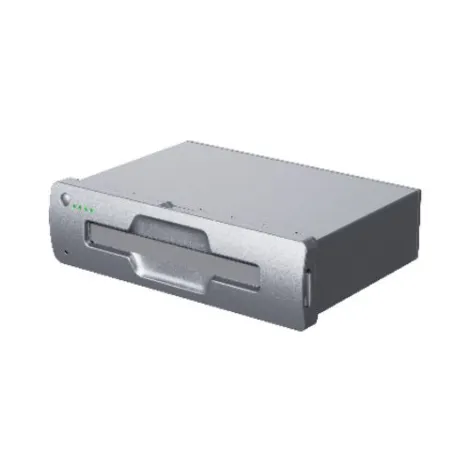
The Unitree B2 battery is a high-capacity battery designed to power the Unitree B2 quadruped robot.
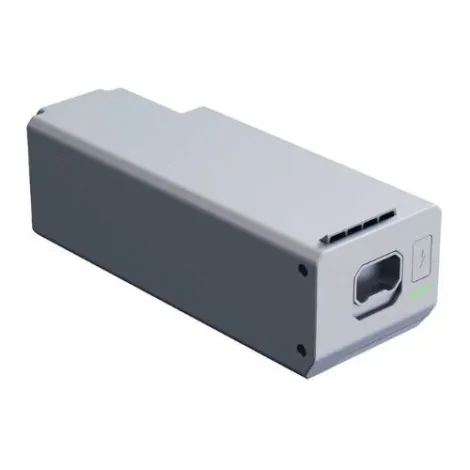
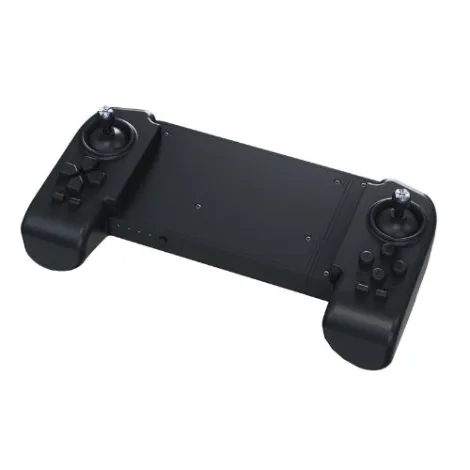
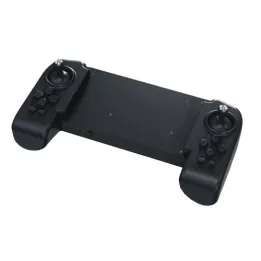
The remote control for Unitree Go2 Air and Go2 Pro is a manual control accessory designed to operate the robot more easily during demonstrations, testing and field use.
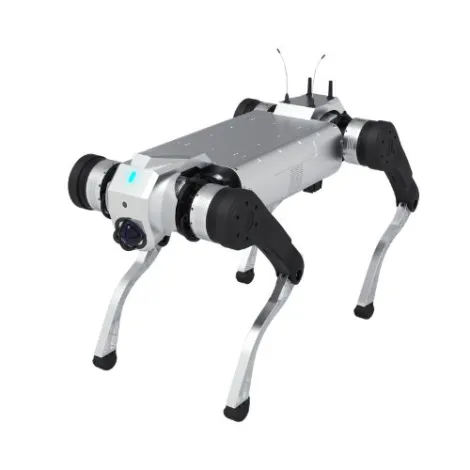
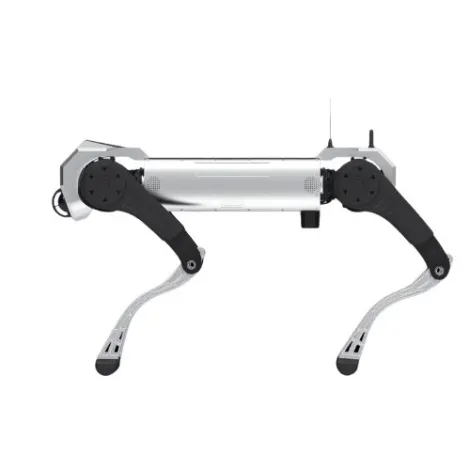
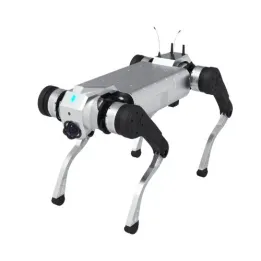
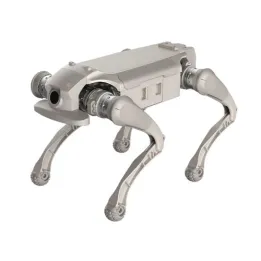
The AgiBot D1 Max Pro is a quadruped robot designed for industrial applications, inspection, and mobile robotics projects requiring greater payload capacity and longer endurance.
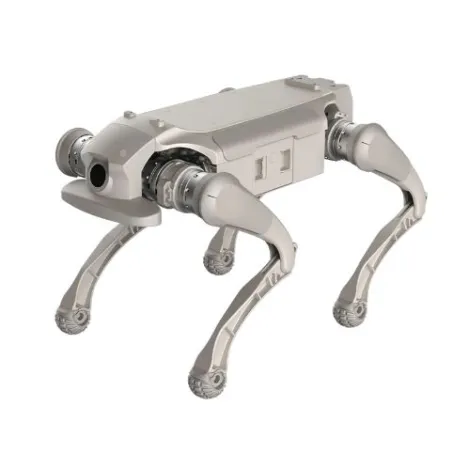
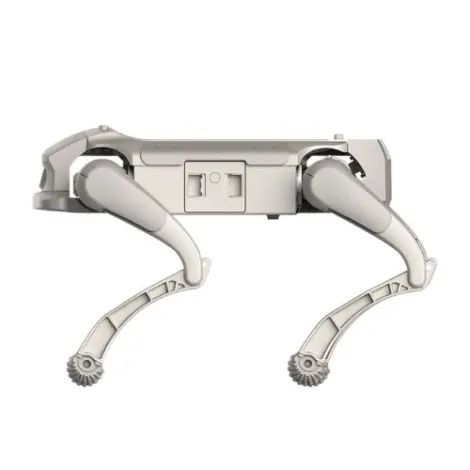
The AgiBot D1 Ultra is a compact quadruped robot designed for research, inspection, and mobile robotics in real-world environments.
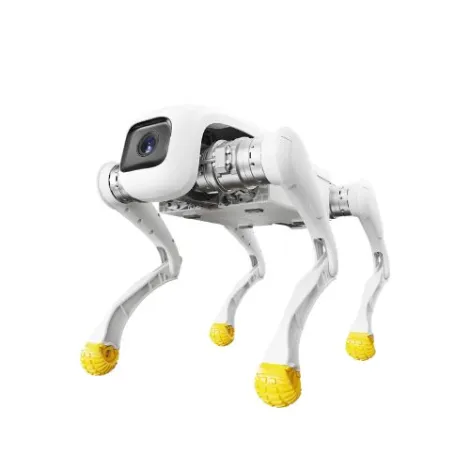
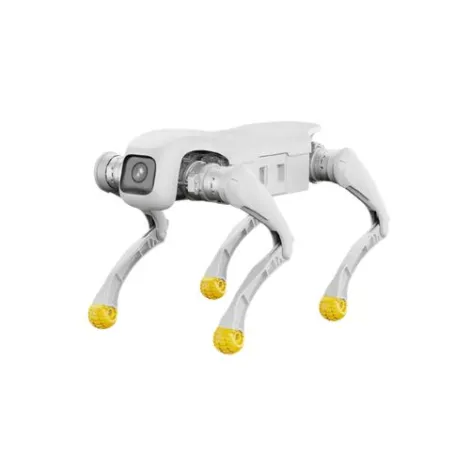
The AgiBot D1 Pro quadruped robot is a four-legged mobile platform designed for dynamic locomotion, complex terrain exploration, robotic demonstrations, and certain research or lightweight mobile robotics projects.
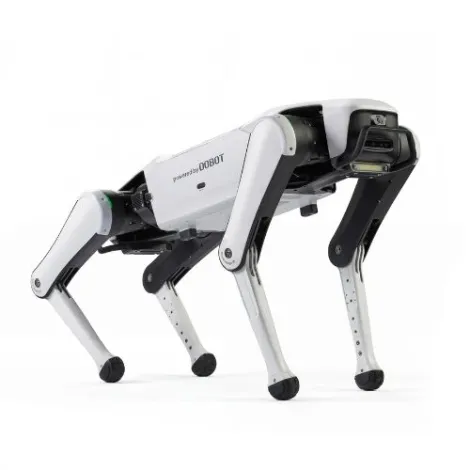
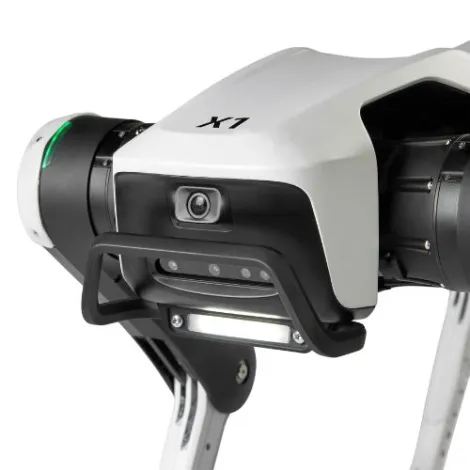
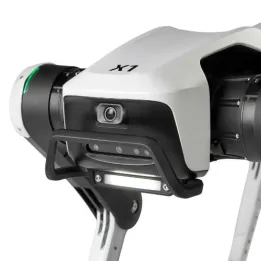
The DOBOT Rover X1 is an intelligent quadruped robot designed for tracking, light transport, mobile video capture and autonomous patrolling. It combines voice control, visual tracking, obstacle detection, front / rear cameras and multiple control modes.
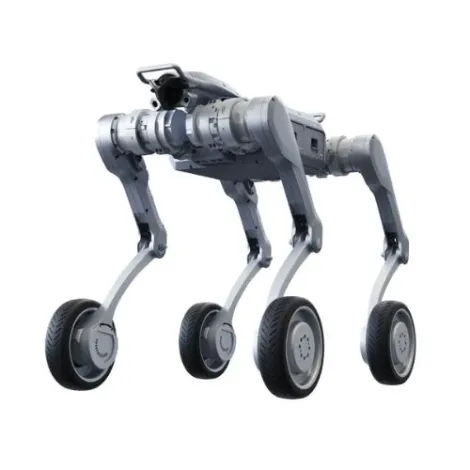
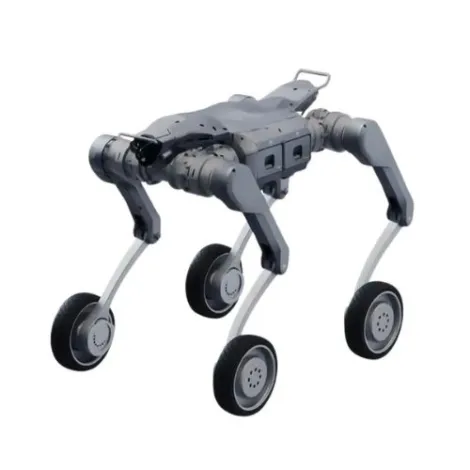
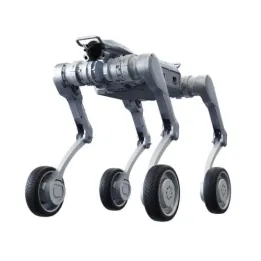
The Unitree A2-W is a quadruped robot with wheels designed to move across uneven terrain, carry payloads, and integrate sensors for inspection, logistics, or research, indoors and outdoors.
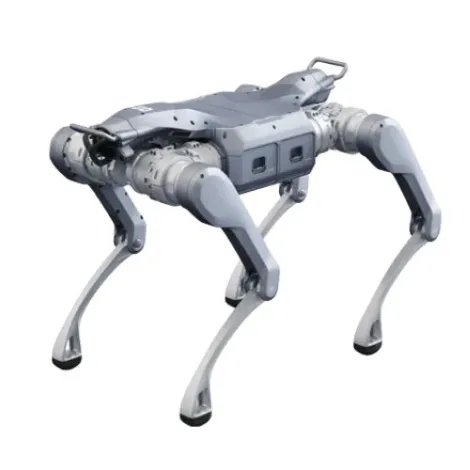
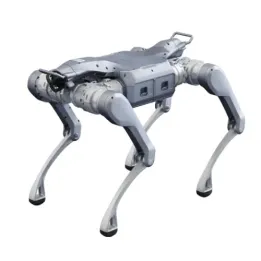
The Unitree A2 is designed to move across uneven terrain, carry payloads, and integrate sensors for inspection, logistics, or research, indoors and outdoors.
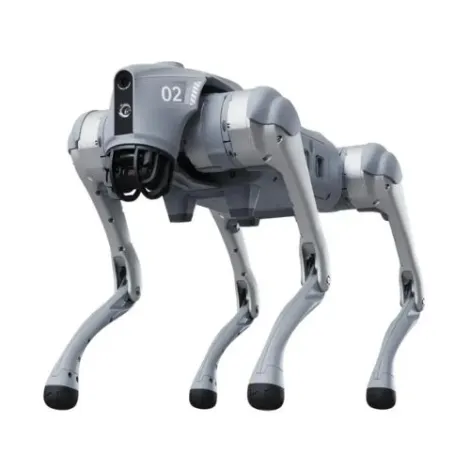
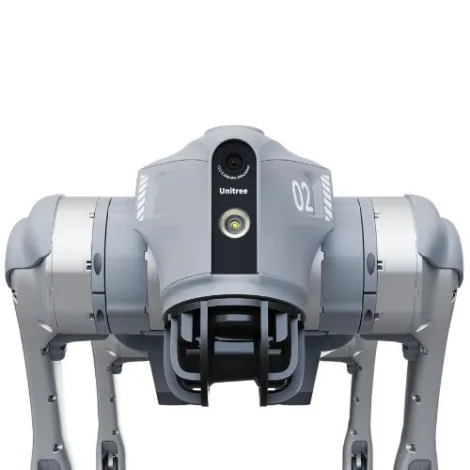
he Go2X is the ideal model if you want to integrate your own PC (mini PC, compute station, specific GPU configuration) and build a hardware and software architecture tailored to your project.
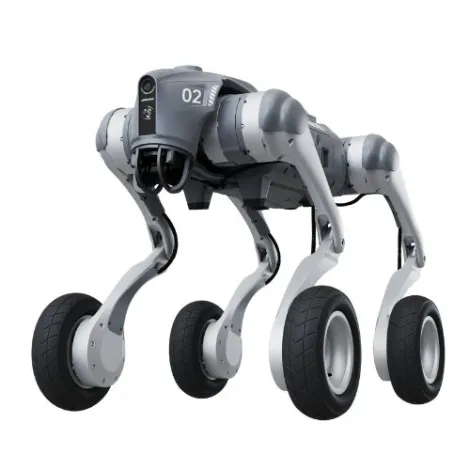
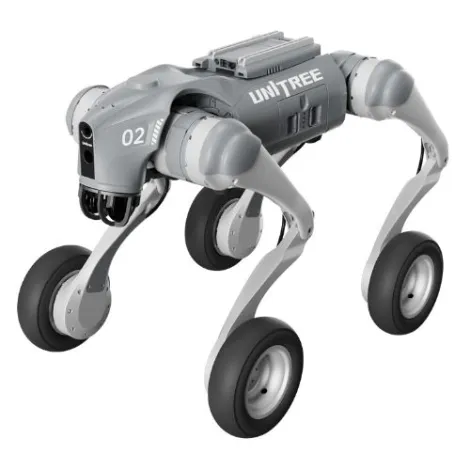
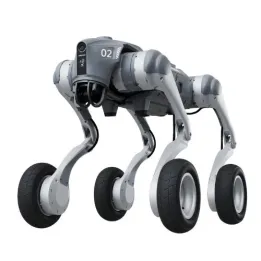
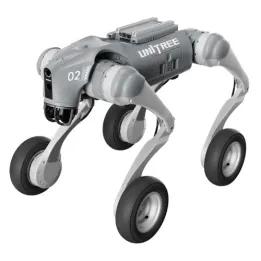
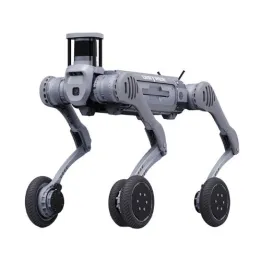
The Unitree GO2-W is a wheeled quadruped robot designed for teams developing and testing mobility, perception, and on-board AI functions. This robust base is intended for demanding environments.
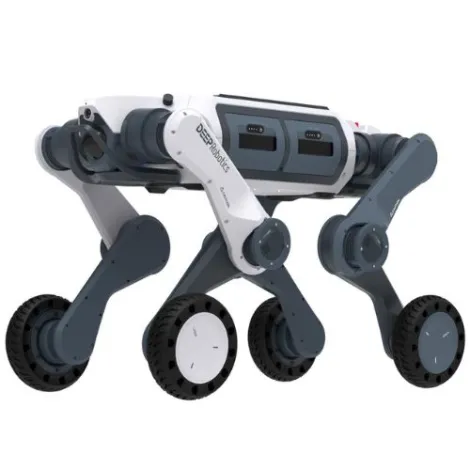
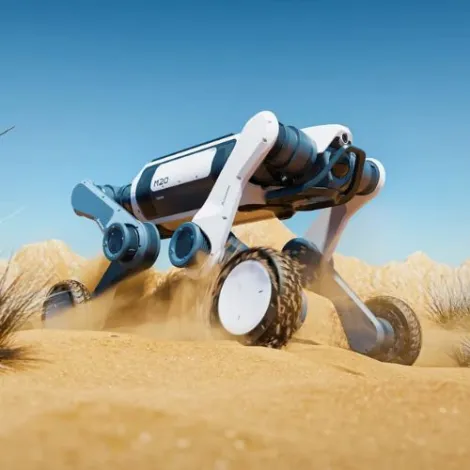
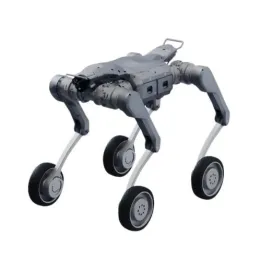
The LYNX M20 Pro is a wheel-legged quadruped robotic platform that combines computing power, industrial robustness, and extreme mobility. It is designed for demanding environments and advanced research missions.

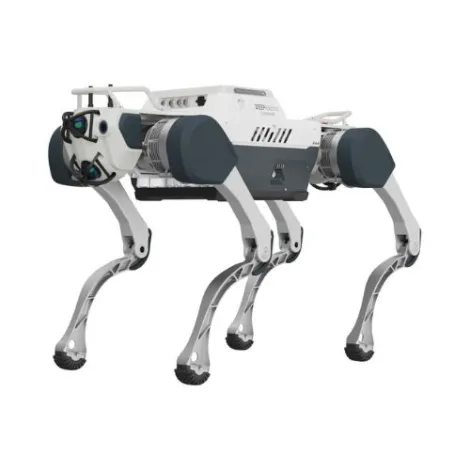
The X30 Pro from Deep Robotics embodies technological excellence in quadruped robotics. It is a key solution for industries requiring autonomous, safe, and reliable inspections in extreme or complex environments.
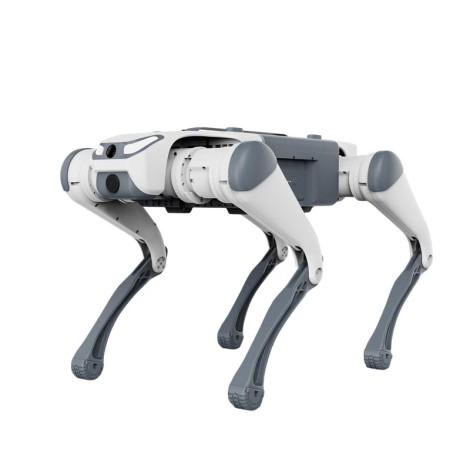
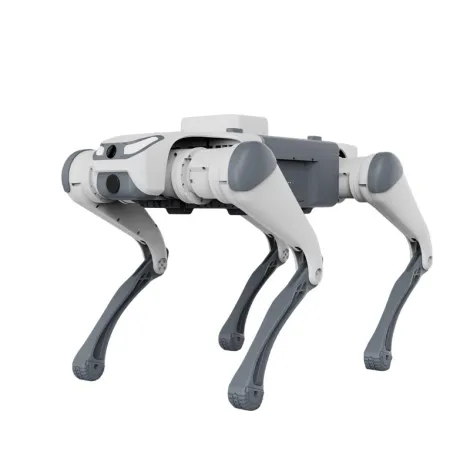
The Lite 3 is an advanced quadruped robot designed to combine power, agility, and flexibility, with a modular structure suitable for advanced robotics developments.
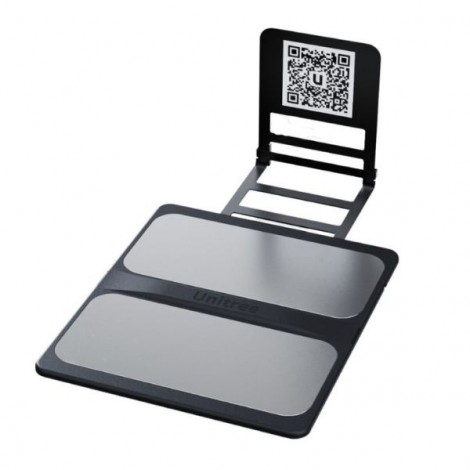
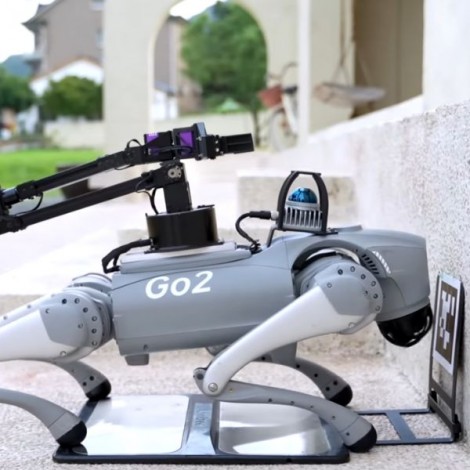
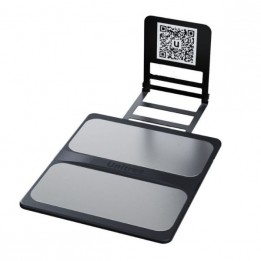
This wireless charging base for the Go2 EDU Plus quadruped robot allows the robot to be recharged without removing the battery.
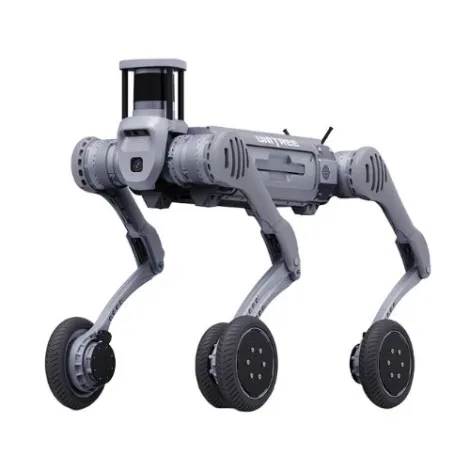
The Unitree B2-W is a wheeled quadruped robot designed for fast movement, including in demanding environments. It features IP67 protection and perception based on a 3D LiDAR and cameras.
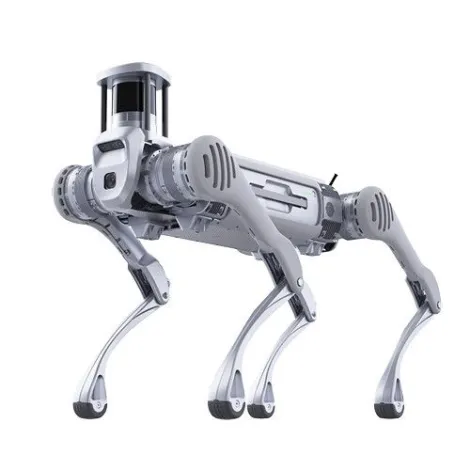
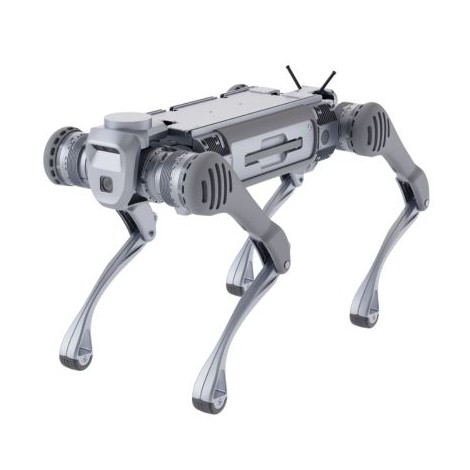
The Unitree B2 is an industrial quadrupedal robot designed to navigate varied terrain, overcome obstacles and climb stairs.
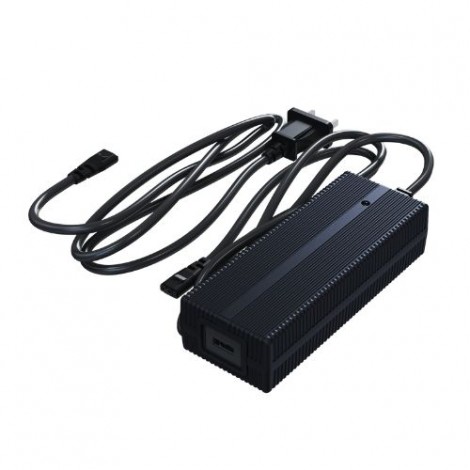
The Unitree Robotics Go2 Battery Charger is an essential accessory specifically designed to power and recharge the Go2 series quadruped robots.
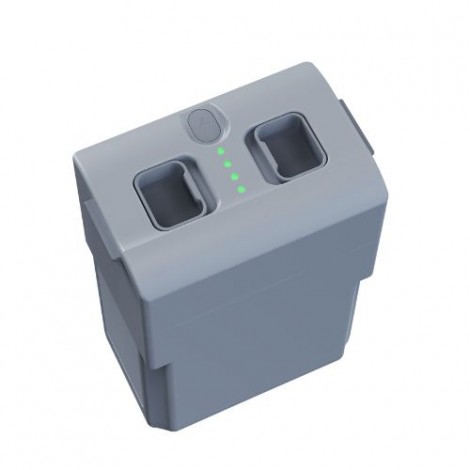
Improve the autonomy of your Go2 Unitree Robotics robot dog by getting an additional battery!
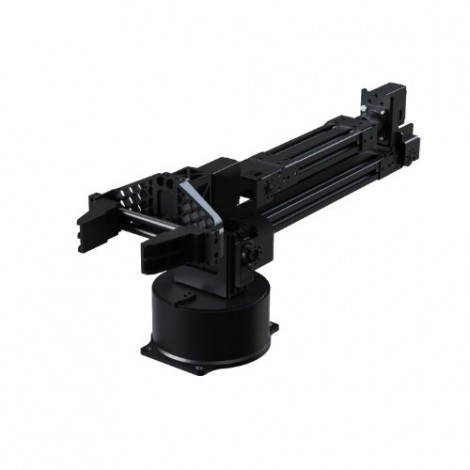
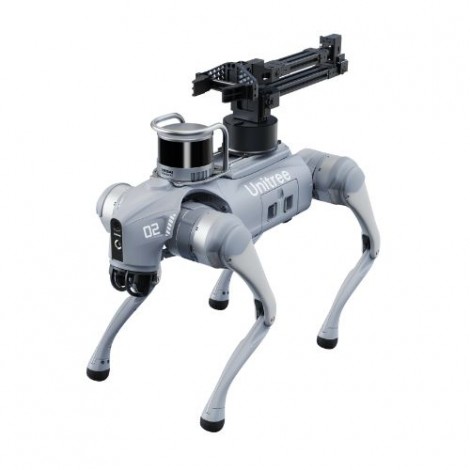
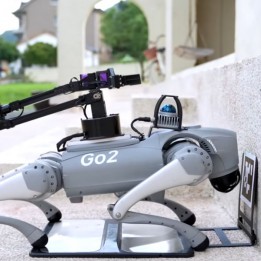
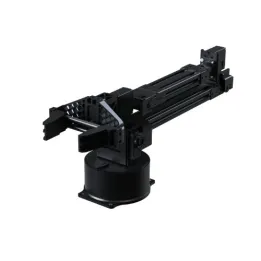
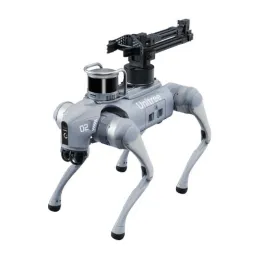
The Servo robotic arm of Unitree can cooperate with the Go2 quadruped robot. Lightweight and compact, it enables the robot to be even more powerful.
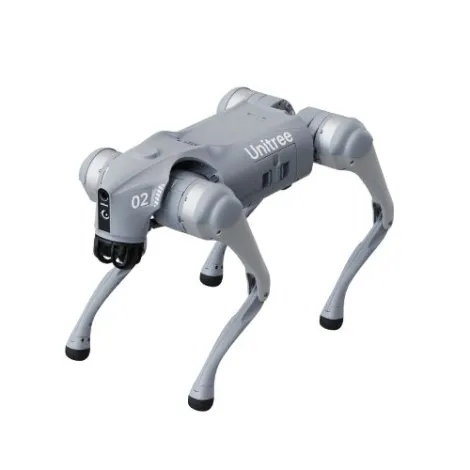
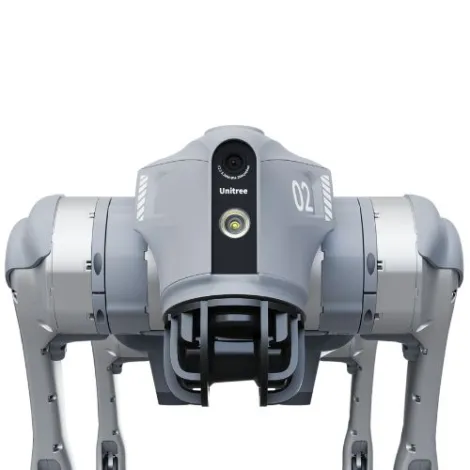
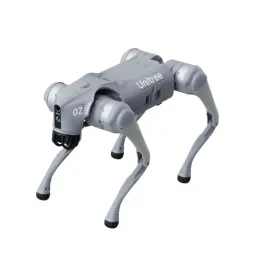
The Unitree Go2 Pro is a consumer quadruped robot designed for interaction, demonstration, and entertainment.
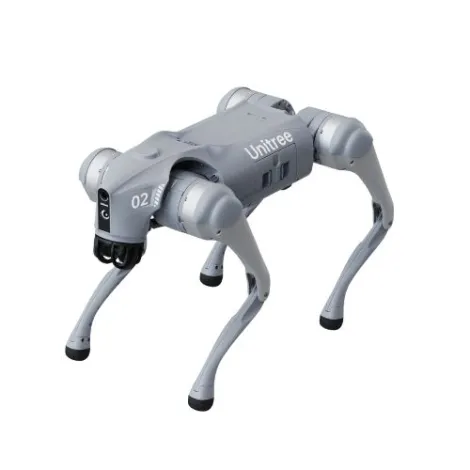
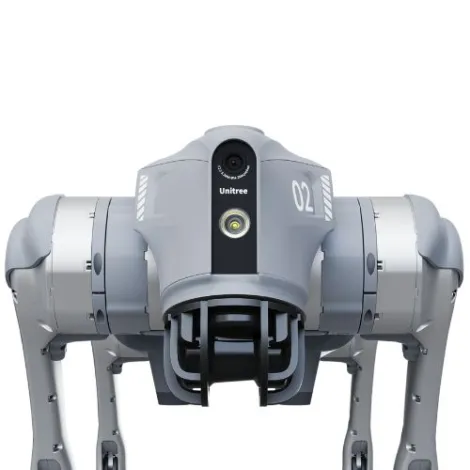
The Unitree Go2 Air is a consumer quadruped robot designed for interaction, demonstration and entertainment.