
New
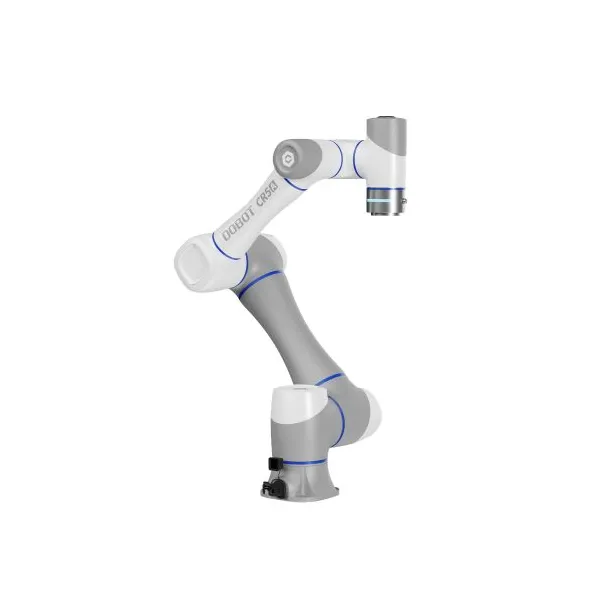
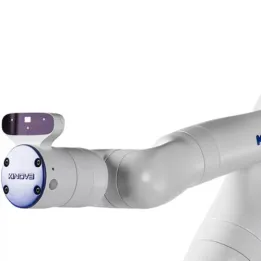
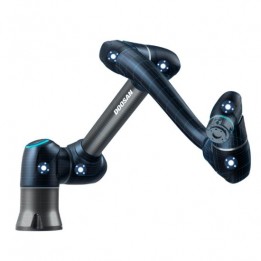
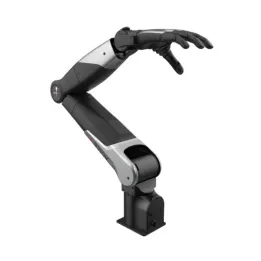
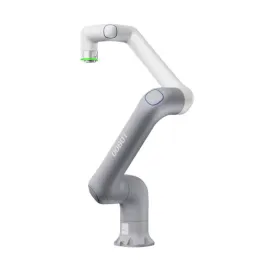
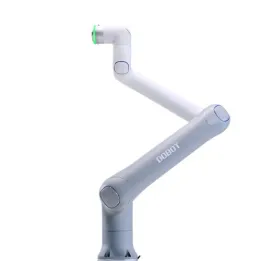
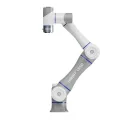
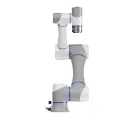
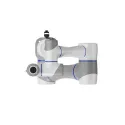
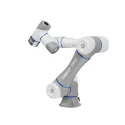
DOBOT CRAF Series Robotic Arm

DOBOT CRAF Series Robotic Arm

DOBOT CRAF Series Robotic Arm
| A-000000-08074
Price upon request

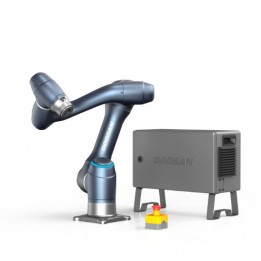
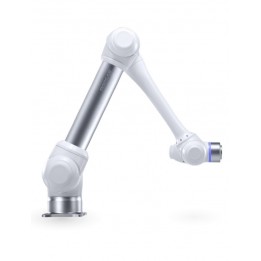
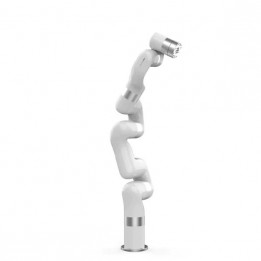
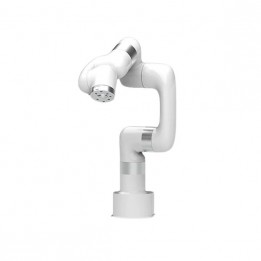
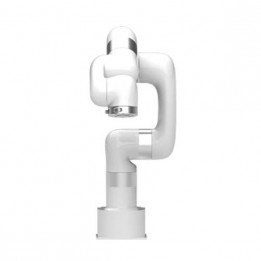
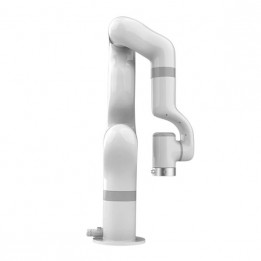
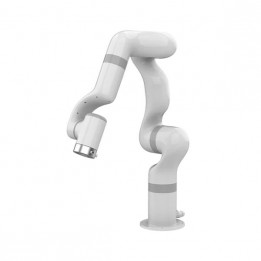
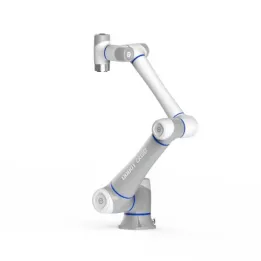
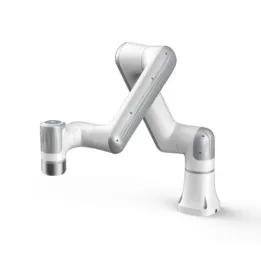
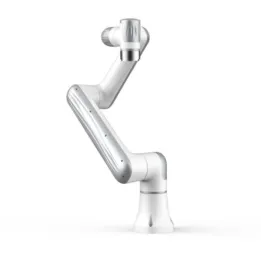
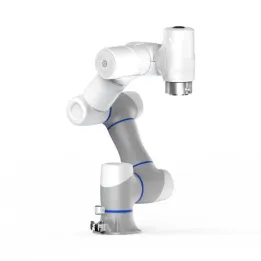
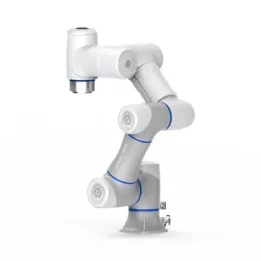
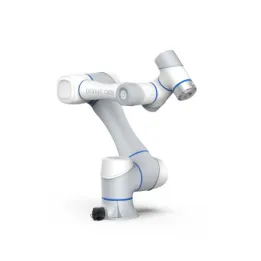
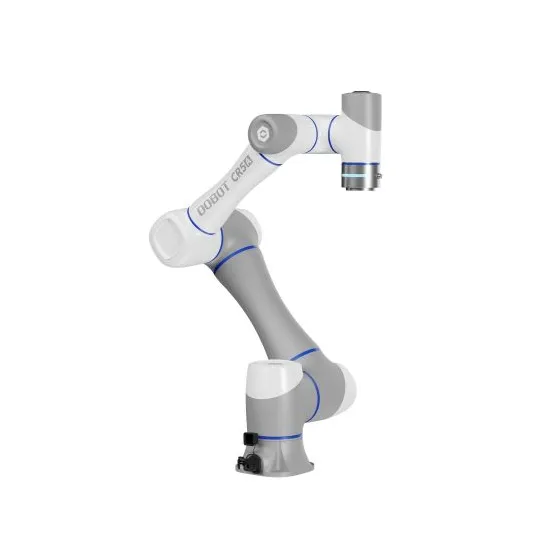
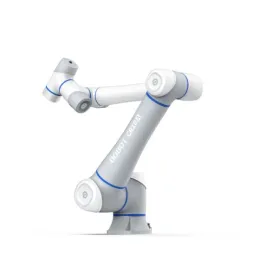
The DOBOT CRAF series includes 6-axis collaborative robots with a 5 to 20 kg payload (CR5AF, CR10AF, CR20AF), designed for applications where force control makes the difference: precision assembly, polishing / grinding, contact operations and advanced collaboration scenarios.
Quantity
Delivery within 2 weeks

Create a cart and turn it into a quote instantly!
Payment methods (see T&C)
Debit card
PayPal
Payment by invoice
Wire transfer

A “force control” cobot series: precise, intuitive to guide, and ready for contact tasks

  • Integrated 6-axis force/torque sensor (flange): the sensor is integrated at the flange level to improve force control for contact and fitting operations.
  • Plug-and-play / factory calibration: factory-calibrated sensor, so you can get started without any additional calibration procedure.
  • Smooth manual guidance (drag teaching): the flange acts as a guiding zone (press-to-drag) for teaching by demonstration, with the option to lock orientation for finer programming.
  • Micro-force: < 2 N activation for fine adjustments, and 0.1 mm point-to-point indication (drag teaching).
  • Tool ports preserved: the sensor integration is designed not to block tool-side ports (e.g., RS485 / I/O), to remain compatible with peripherals (grippers, vision, etc.).
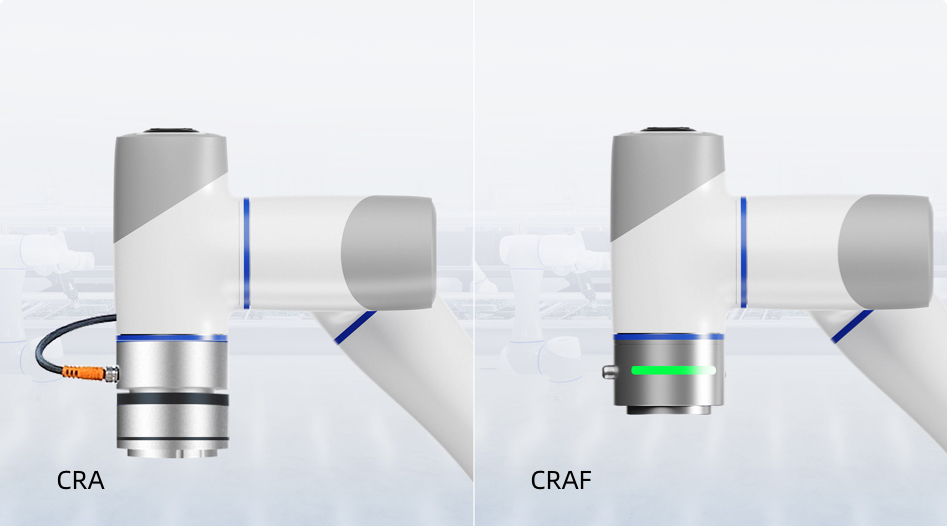
  • Status indication: light ring on the flange to visualize the robot status in real time.
  • Safety via force measurement: collision detection is specified with sensitivity down to 1 N (immediate stop) and specified shock resistance up to 2000 N.

What makes the series unique: a 6-axis force/torque sensor integrated into the flange, enabling collaborative robotics that is more compliant, safer, and more effective on sensitive tasks.

Choosing the right model: CR5AF, CR10AF or CR20AF

The choice depends on the actual payload (tool + part), the reach, and the force range to be measured.

  • CR5AF fits compact, high-precision stations.
  • CR10AF offers a reach/payload compromise.
  • CR20AF targets higher reach/payload applications and higher forces.
ModelCR5AFCR10AFCR20AF
Max payload5 kg10 kg20 kg
Reach900 mm1 300 mm1 700 mm
Repeatability±0.02 mm±0.03 mm±0.05 mm
Weight25.5 kg40.5 kg74 kg

CRAF vs CRA: the same cobot, with integrated force control

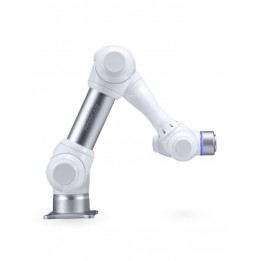
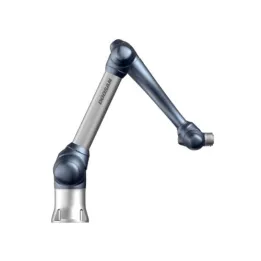
The CRAF series is based on the CRA series, but integrates a high-precision 6-axis force/torque sensor in the flange. This provides more advanced compliant force control, ideal for contact tasks (insertion, fitting, polishing) and a plug-and-play commissioning.

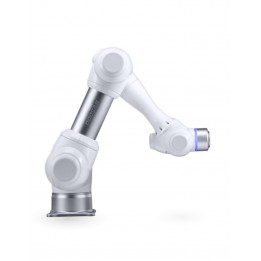
Bras robotique CRA vs CRAF

Applications and project types (precision assembly, polishing, welding, medical)

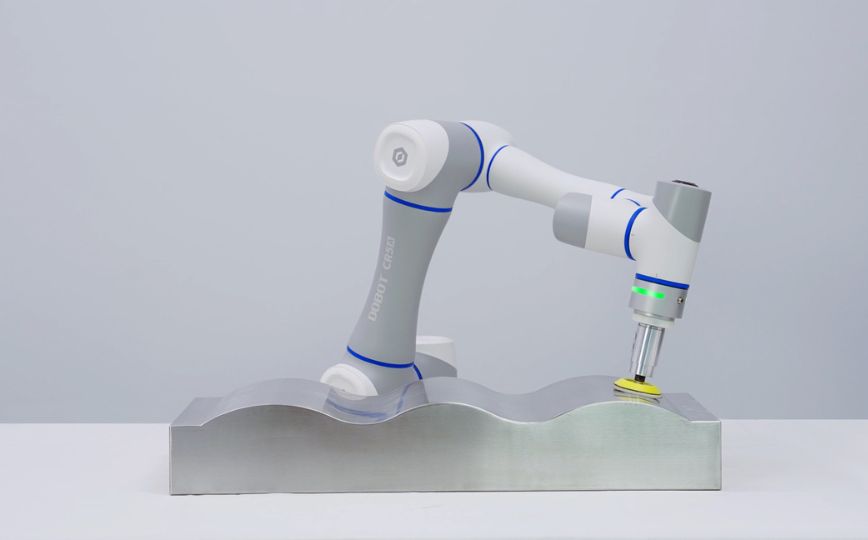
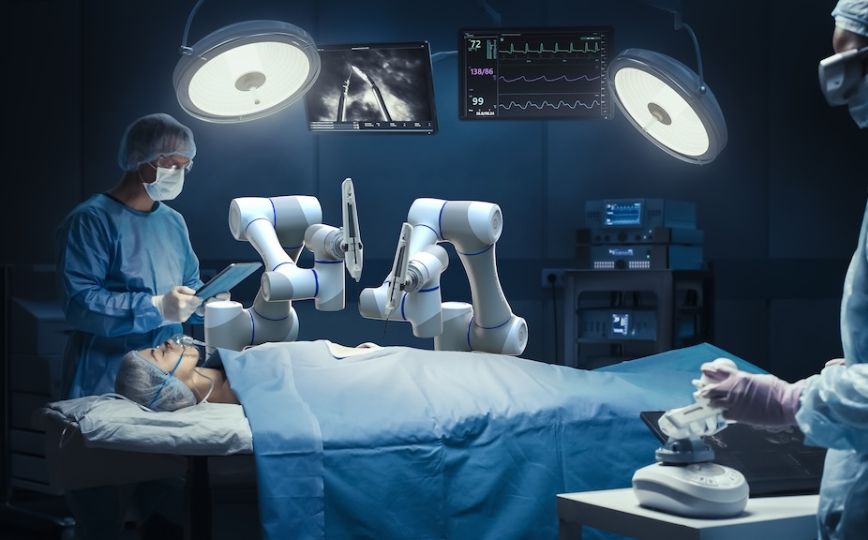
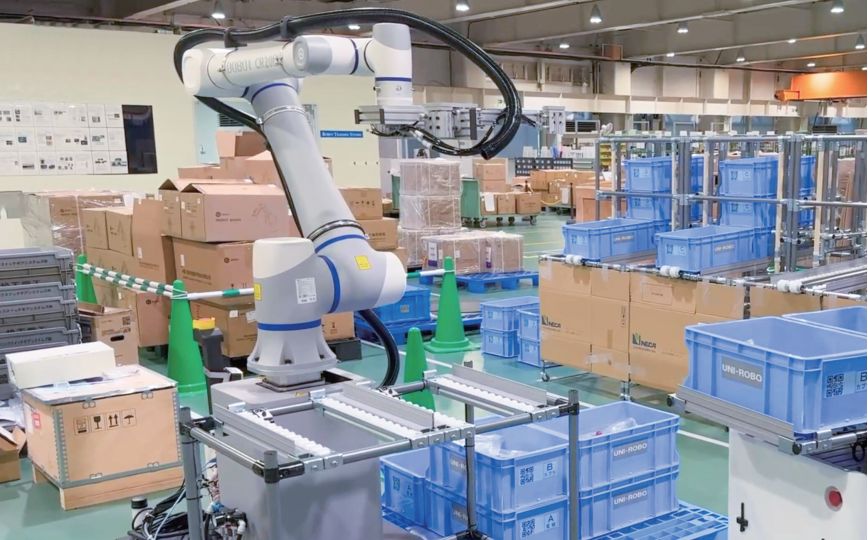
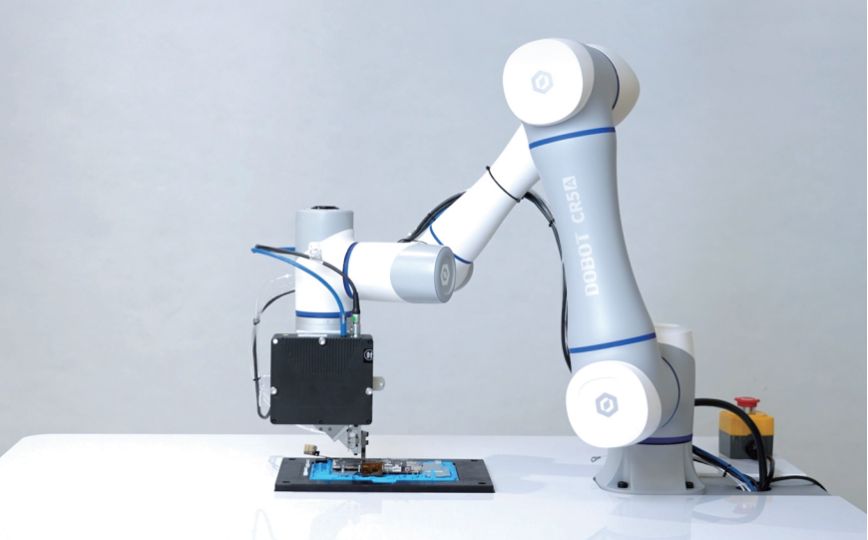
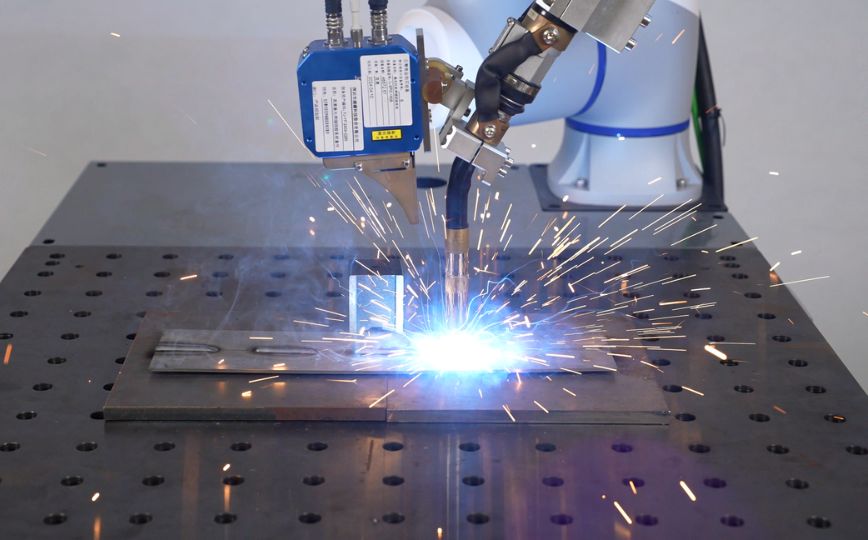
The CRAF series targets “contact” applications and those difficult to stabilize without force feedback: precision assembly (insertion, fitting, effort limiting to avoid damaging parts), polishing / grinding (constant force, variation compensation), small-batch welding (guided teaching), and healthcare / medical scenarios (safer, more compliant interaction).

Software ecosystem and integration (force control, guided teaching)

The CRAF series focuses on on-site programming for contact tasks: drag teaching, guidance with lockable orientation, and using force feedback for more robust trajectories (environment adaptation, force holding). The goal is rapid deployment, without additional complexity on the sensor side.

What information should you prepare for a quotation request?

Please specify: your budget (even if it’s an estimate), your project timeline (short term, awaiting funding, early study phase before the project, etc.), your address, and one sentence describing your project.

Technical specifications – DOBOT CRAF series 

SpecificationCR5AFCR10AFCR20AF
Max payload5 kg10 kg20 kg
Weight25.5 kg40.5 kg74 kg
Reach (working radius)900 mm1300 mm1700 mm
Max linear speed2 m/s2 m/s2 m/s
Joint range (J1)±360°±360°±360°
Joint range (J2)±360°±360°±360°
Joint range (J3)±160°±160°±165°
Joint range (J4)±360°±360°±360°
Joint range (J5)±360°±360°±360°
Joint range (J6)±360°±360°±360°
Max joint speed (J1)180°/s150°/s120°/s
Max joint speed (J2)180°/s150°/s120°/s
Max joint speed (J3)180°/s180°/s150°/s
Max joint speed (J4)223°/s223°/s180°/s
Max joint speed (J5)223°/s223°/s180°/s
Max joint speed (J6)223°/s223°/s180°/s
Wrist I/O – DI2 channels2 channels4 channels
Wrist I/O – DO2 channels2 channels4 channels
Wrist I/O – AI2 channels (shared with RS485)2 channels (shared with RS485)4 channels (shared with RS485)
RS485 (wrist)SupportedSupportedSupported
Force sensor (Fx/Fy/Fz)150 N300 N500 N
Torque sensor (Mx/My/Mz)15 Nm30 Nm50 Nm
Sensor precision0.5% F.S.0.5% F.S.0.5% F.S.
Sensor overload500% F.S.500% F.S.500% F.S.
Sensor accuracy1% F.S.1% F.S.1% F.S.
Repeatability±0.02 mm±0.03 mm±0.05 mm
Protection rating (arm)IP54IP54IP54
Temperature0~50℃0~50℃0~50℃
Power consumption150 W350 W500 W
Installation methodVertical installationVertical installationVertical installation
Cable length5 m5 m6 m
MaterialsAluminium Alloy, ABS Plastic

Resources – DOBOT CRAF series

FAQ – DOBOT CRAF series

What is the difference between CRA and CRAF?

CRAF uses the mechanical base of CRA and adds a 6-axis force/torque sensor integrated into the flange. This improves contact operations (polishing, fitting, insertion) and manual guidance.

Do I need to calibrate the force sensor before use?

No: the sensor is specified as factory-calibrated, with no additional calibration needed to get started.

Is CRAF easier to program for contact tasks?

Yes: drag teaching and force feedback make tuning easier and improve robustness for polishing/grinding and delicate assembly.

Which model should I choose: CR5AF, CR10AF or CR20AF?

The right choice depends on payload, reach, and the forces to be measured. CR5AF for compact/precise, CR10AF for a versatile compromise, CR20AF for long reach/heavy payloads and higher forces.

Can I use a gripper and a vision camera with CRAF?

Yes: the sensor integration is specified as not blocking tool ports, to remain compatible with peripherals (grippers, vision, etc.).

What impacts quality most in polishing/assembly?

The tool + part set (weight/rigidity), the path, and above all the target contact force (tolerances, surface, variations). Describing the task precisely (forces, speed, material, geometry) helps size the model and the end-effector.

Customers who viewed this item also viewed