
Mobile robots
Mobile robotics can be a real game changer in many projects. Mobile robots are powerful tools, which autonomy can take over from humans strenuous or dangerous tasks.
What is an autonomous mobile robot?
An autonomous mobile robot is a robot that can move around in an open or closed space. It does not remain stationary in one position. The autonomous mobile robot can map its environment and navigate on its own, without being controlled by an operator.
Autonomous mobile robots do not need any external relays to operate (such as beacons). Instead, they use SLAM (Simultaneous Localization And Mapping) technology, which enables them to build a map of their environment in real time, and do some self-localization. If needed, autonomous mobile robots can also be remotely operated.
Usually, an autonomous mobile robot is made up of:
- A chassis (with motors and controller)
- An embedded computer
- A battery
- Sensors (at least a LiDAR)
- Actuators
The sensors and actuators will change depending on the tasks the robot has to perform.
Types of sensors:
- Thermal sensor
- Panoramic camera
- Gas sensor
- Motion sensor
- Microphone
- Etc
Type of actuators:
- Robotic arm
- Screen
- Speakers
- Drone
- Etc
Mobile robots: missions and applications
In which situations can mobile robotics be a real advantage? We won't list the many tasks a robot can take over from humans, there are too many. We will list the one we are familiar with at Génération Robots. For example, for inspection tasks in hazardous environments, mobile robots are essential for ensuring safety and efficiency.
Missions where a robot can be essential, or mandatory:
- Nuclear dismantling
- Space exploration (rovers, sample collection, etc)
- Heavy equipment transport (construction sites, rescue missions, scientific missions, etc.)
- Transport of mail, medication, light equipment, within a single building, a complex or a district
- Robotised cowshed cleaning
- Surveillance and preventive maintenance of sensitive sites (SEVESO sites, airports, oil & gas)
- Etc
How to choose the right mobile robot for your project?
The environment and the terrain are both major considerations, as they cannot be easily changed.
Depending on the environment and the terrain on which the robot will drive, as well as its missions, the locomotion will be different:
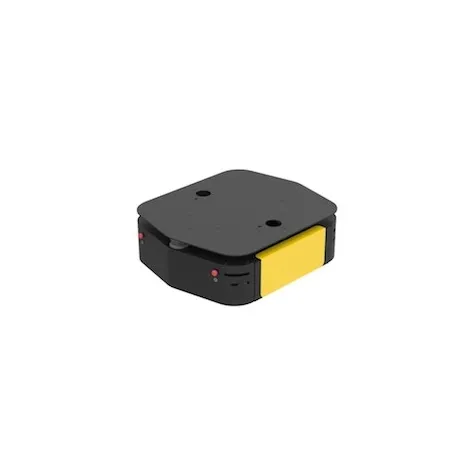
- Mecanum wheels ➡ allows lateral movements, suitable for warehouses and indoor navigation (Clearpath Robotics' Dingo robot type)
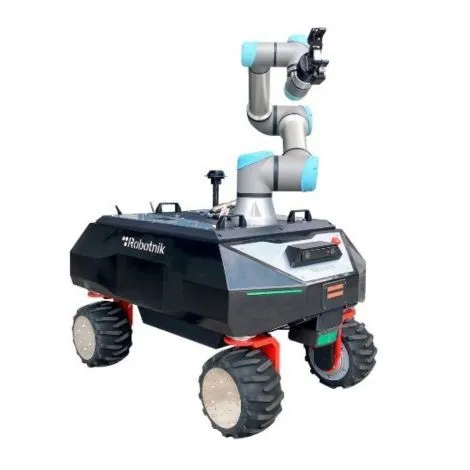
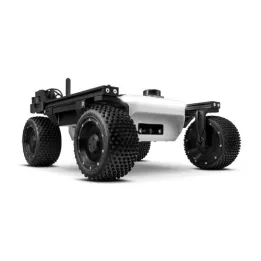
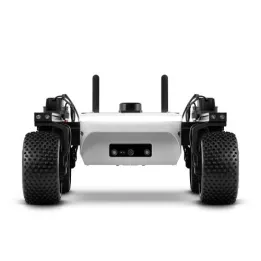
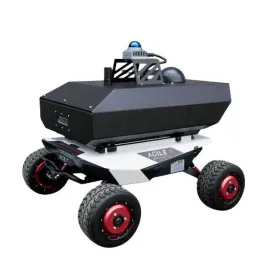
- All-terrain wheels ➡ for outdoor navigation, suitable for exploration missions, agriculture, etc (RR100 robot type from Generation Robots)
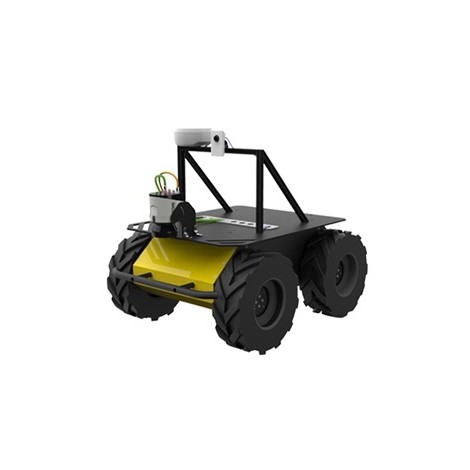
- Tracked ➡ outdoor navigation, on uneven terrain (potholes, small ditches, rocks, steps, etc) (Bunker Pro robot type)
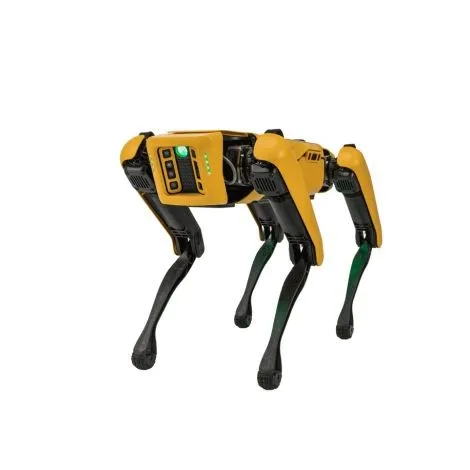
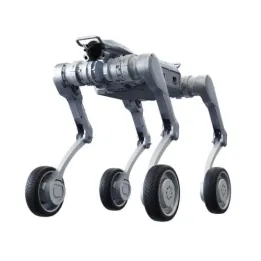
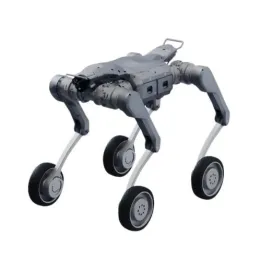
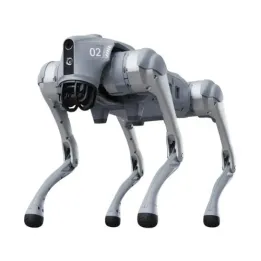
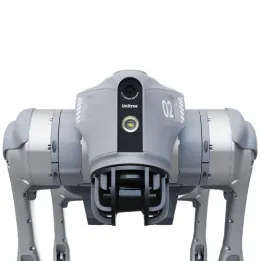
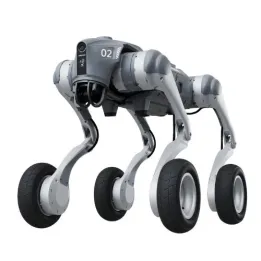
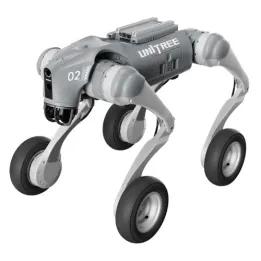
- 4 legs ➡ allows robots to move on stairs or rocks (Spot robot type). Some hybrid models, such as the B2 from Unitree Robotics, have wheels at the end of their legs.
You will also need to consider the following features:
- The payload (does the robot need to carry heavy equipment?)
- Autonomy (an important factor in surveillance and security missions)
- Agility (speed and turning radius)
- The budget allocated to the project
Other factors, such as the possibility to quickly add extra addons, can also be important. Agilex mobile robots are equipped with rails that allow for quick customization.
Finally, ROS/ROS 2 compatibility is often a major factor in the choice of a mobile base, especially for research and R&D centers. All our mobile robots are ROS compatible.
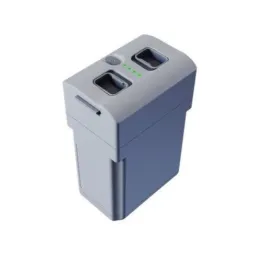
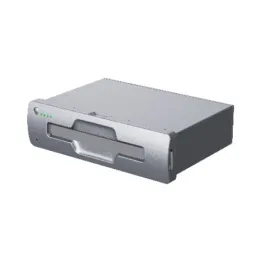
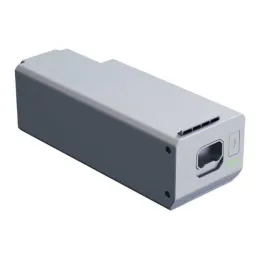
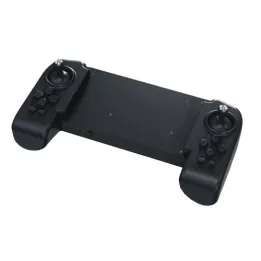
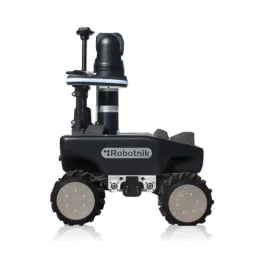
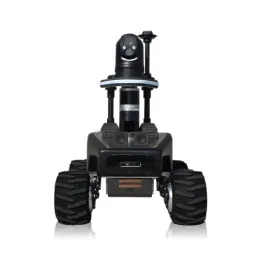
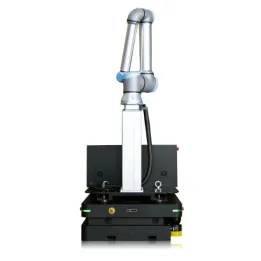
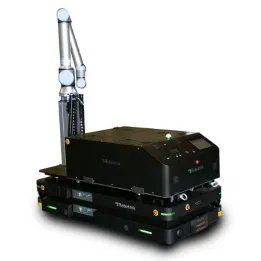
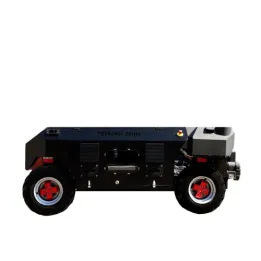
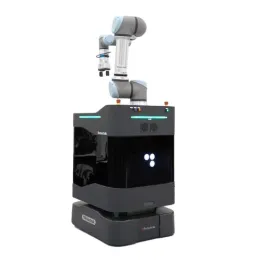
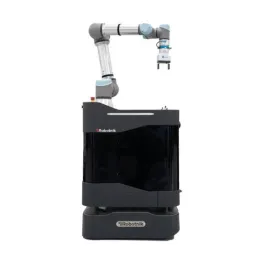
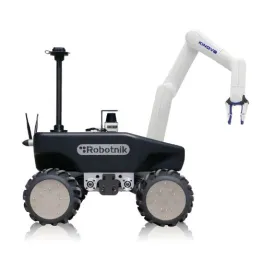
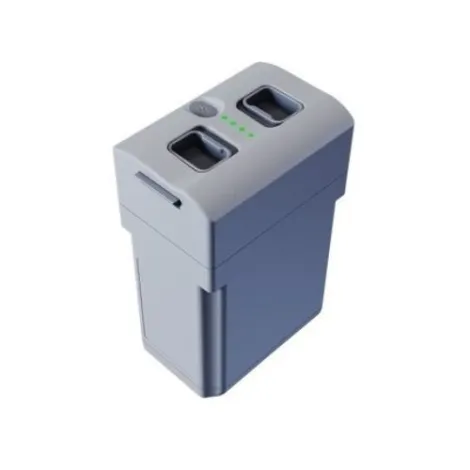
The battery for Unitree G1 is a replacement battery designed to power the Unitree G1 humanoid robot.
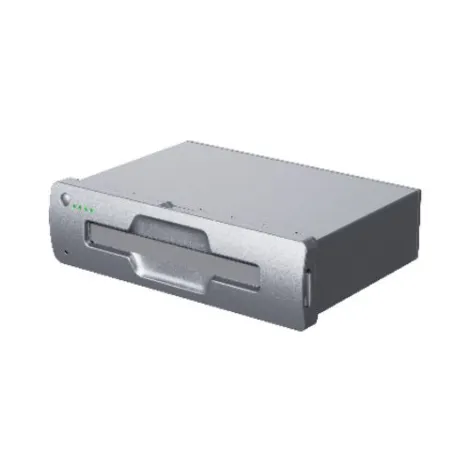
The Unitree B2 battery is a high-capacity battery designed to power the Unitree B2 quadruped robot.
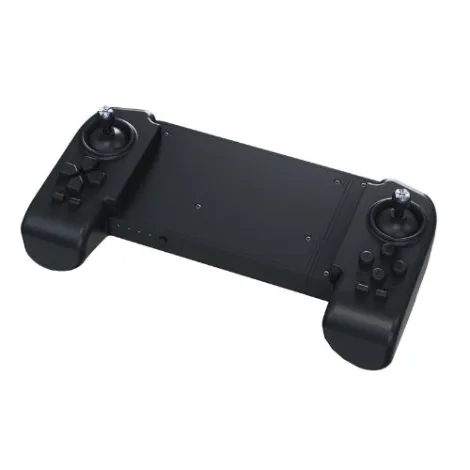
The remote control for Unitree Go2 Air and Go2 Pro is a manual control accessory designed to operate the robot more easily during demonstrations, testing and field use.
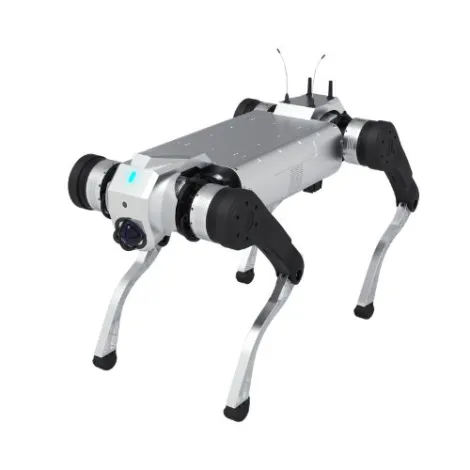
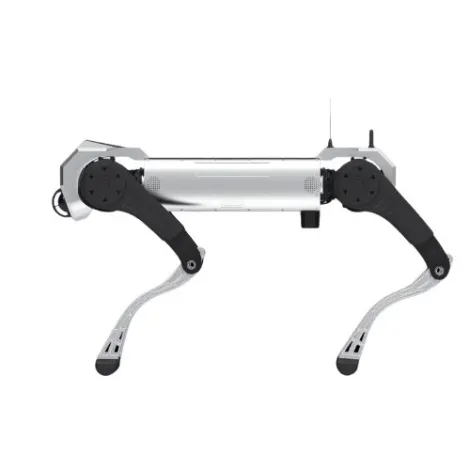
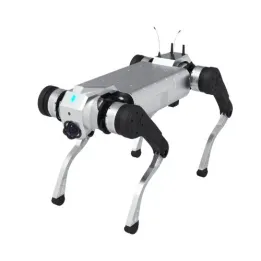
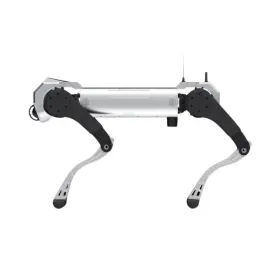
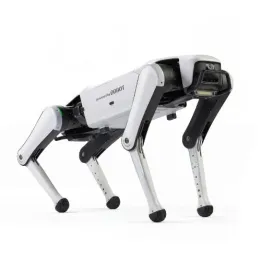
The AgiBot D1 Max Pro is a quadruped robot designed for industrial applications, inspection, and mobile robotics projects requiring greater payload capacity and longer endurance.
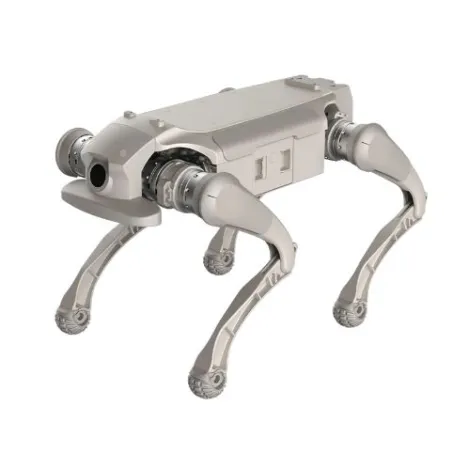
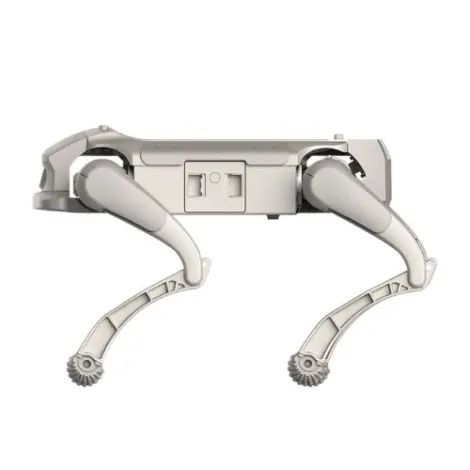
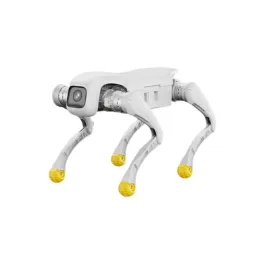
The AgiBot D1 Ultra is a compact quadruped robot designed for research, inspection, and mobile robotics in real-world environments.
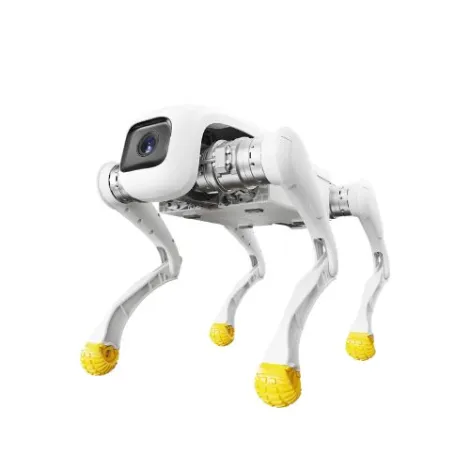
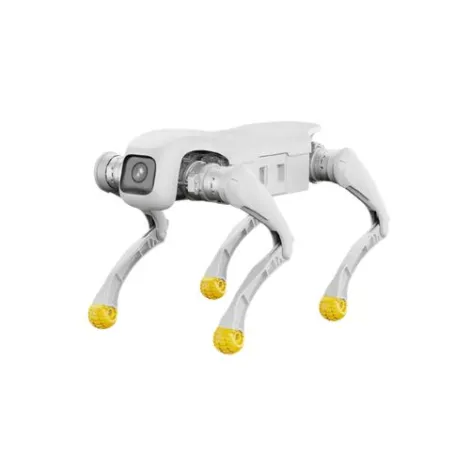
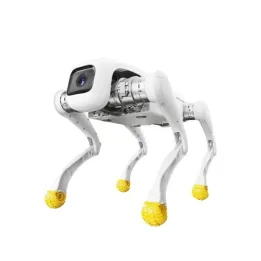
The AgiBot D1 Pro quadruped robot is a four-legged mobile platform designed for dynamic locomotion, complex terrain exploration, robotic demonstrations, and certain research or lightweight mobile robotics projects.
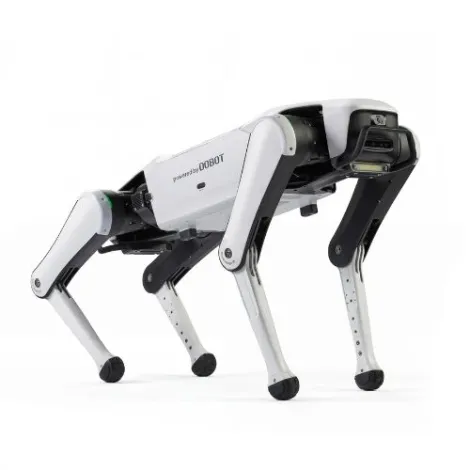
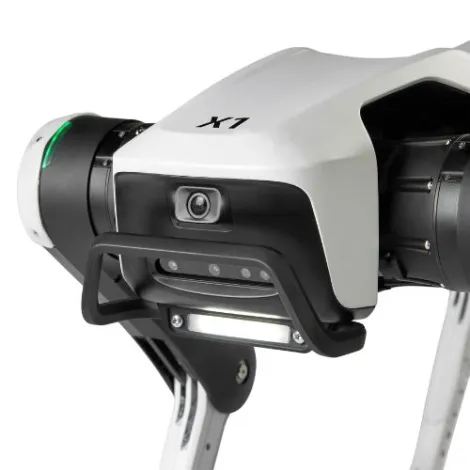
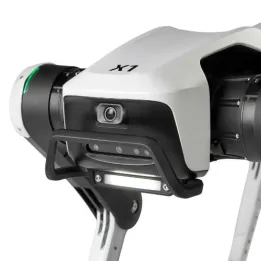
The DOBOT Rover X1 is an intelligent quadruped robot designed for tracking, light transport, mobile video capture and autonomous patrolling. It combines voice control, visual tracking, obstacle detection, front / rear cameras and multiple control modes.
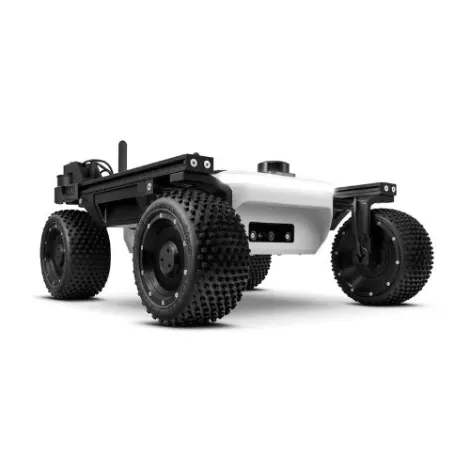
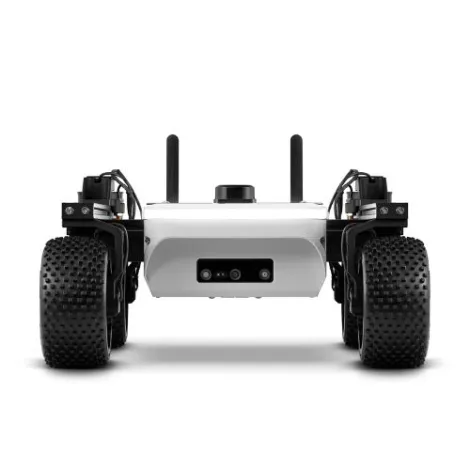
Raph Rover is a compact mobile robot designed as an R&D platform for autonomous robotics projects, with an open-source architecture and native ROS 2 integration.
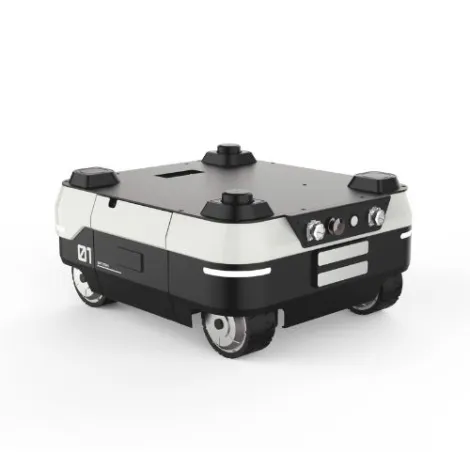
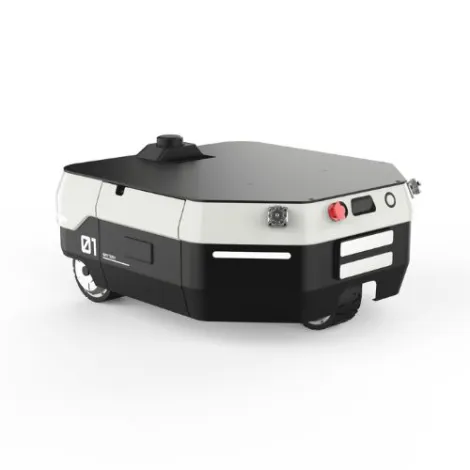
This mobile robot chassis for mixed indoor/outdoor environments serves as a base for research, education, and the integration of humanoid systems or intelligent collaboration.
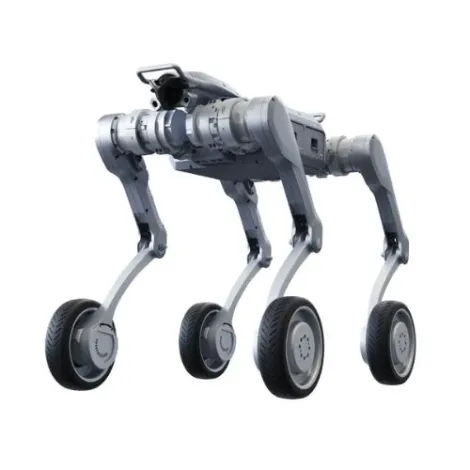
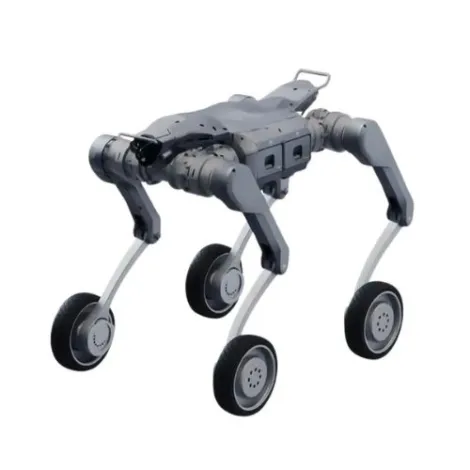
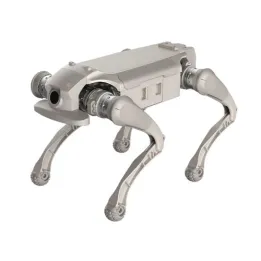
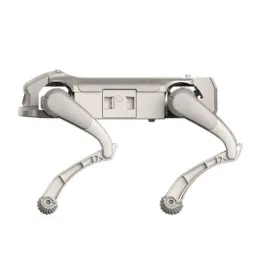
The Unitree A2-W is a quadruped robot with wheels designed to move across uneven terrain, carry payloads, and integrate sensors for inspection, logistics, or research, indoors and outdoors.
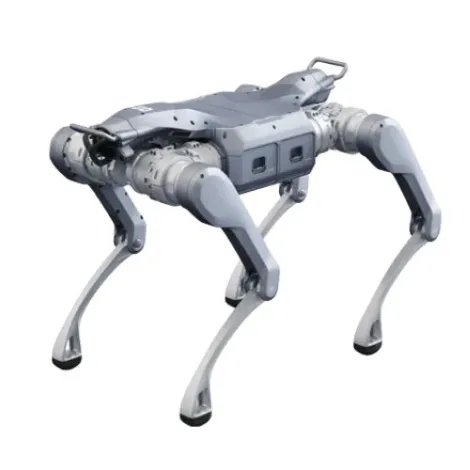
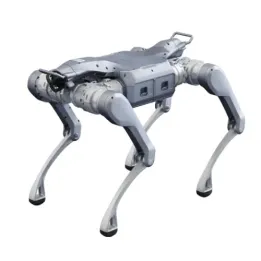
The Unitree A2 is designed to move across uneven terrain, carry payloads, and integrate sensors for inspection, logistics, or research, indoors and outdoors.
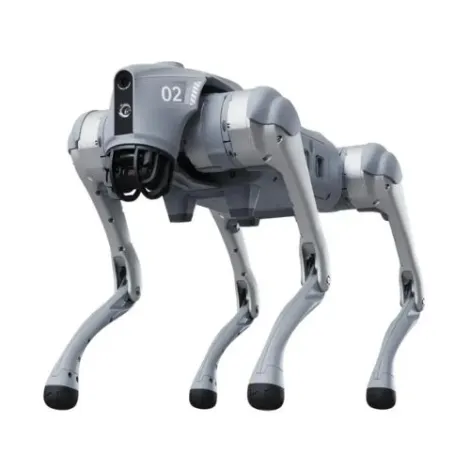
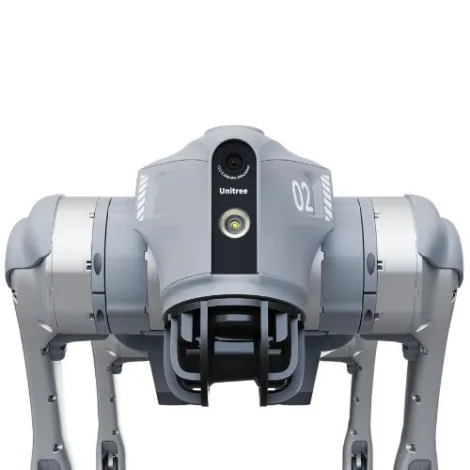
he Go2X is the ideal model if you want to integrate your own PC (mini PC, compute station, specific GPU configuration) and build a hardware and software architecture tailored to your project.
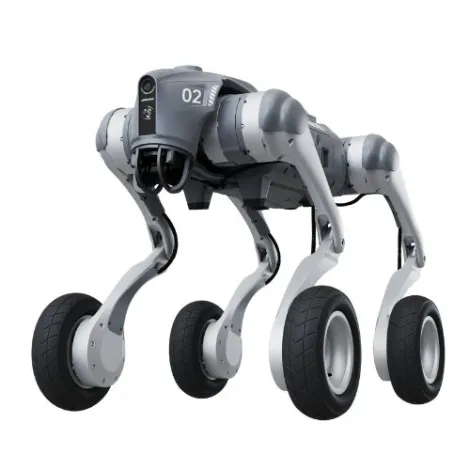
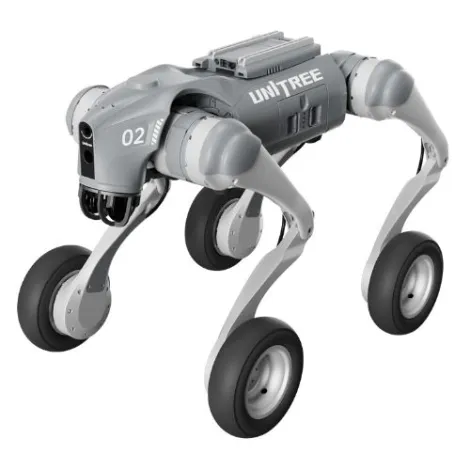
The Unitree GO2-W is a wheeled quadruped robot designed for teams developing and testing mobility, perception, and on-board AI functions. This robust base is intended for demanding environments.
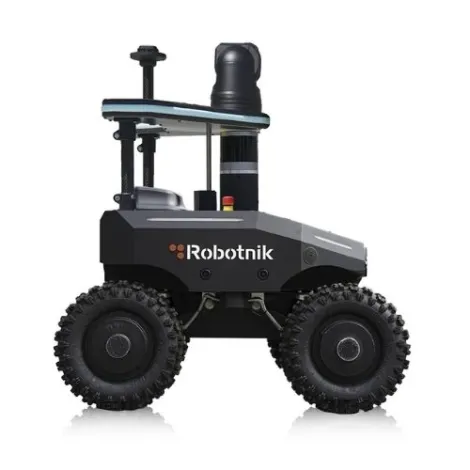
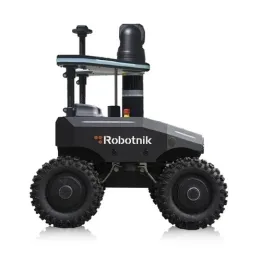
The RB-WATCHER XL is an autonomous mobile robot designed for inspection and surveillance missions in outdoor environments. It focuses on all-terrain mobility, robustness, and extended autonomy for regular on-site operations.

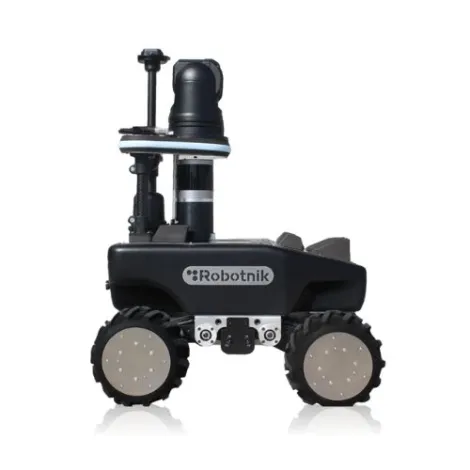
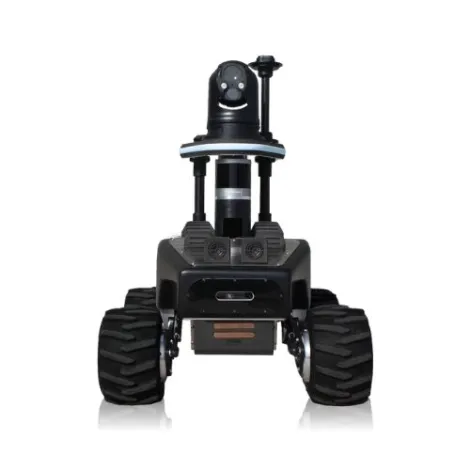
The RB-WATCHER is an autonomous mobile robot designed to carry out inspection and patrolling missions in indoor and outdoor environments. It combines vision, thermal, and navigation sensors to detect anomalies and monitor critical assets.
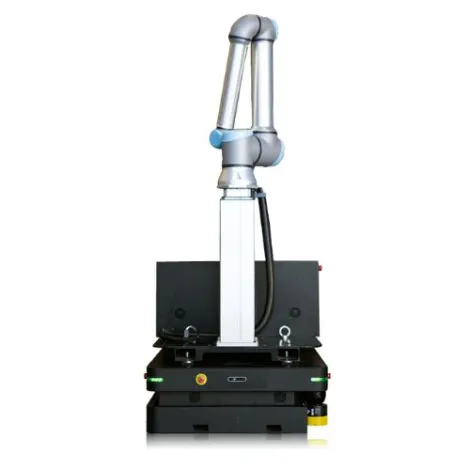
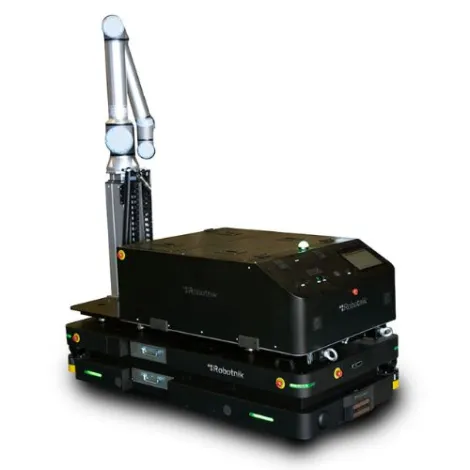
The RB-ROBOUT+ is a collaborative mobile manipulator designed to automate manipulation tasks indoors, combining an Universal Robots arm with an omnidirectional base suitable for confined spaces.
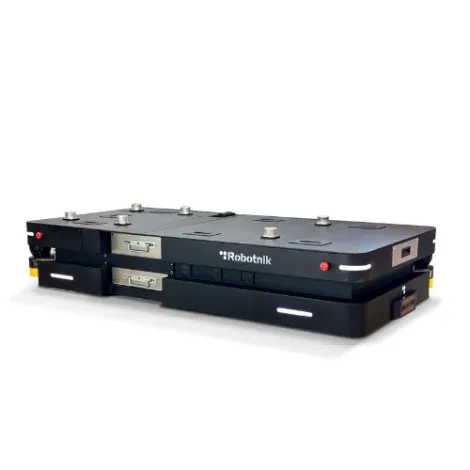
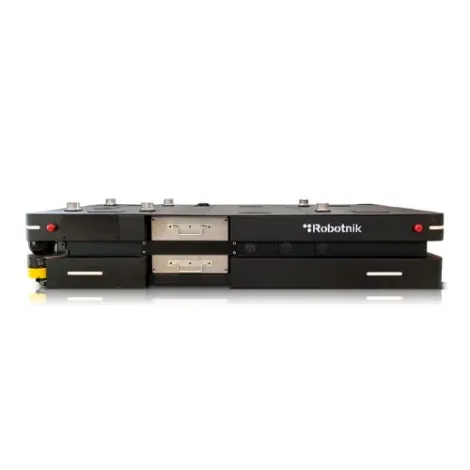
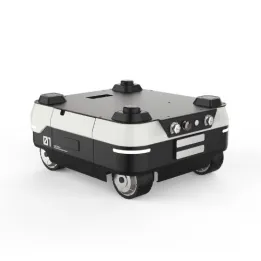
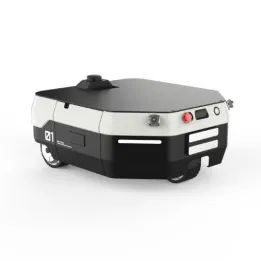
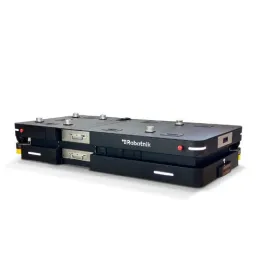
The RB-ROBOUT is an autonomous mobile robot (AMR) designed for indoor transport of heavy loads, up to 2 tonnes, in industrial environments such as factories and warehouses.
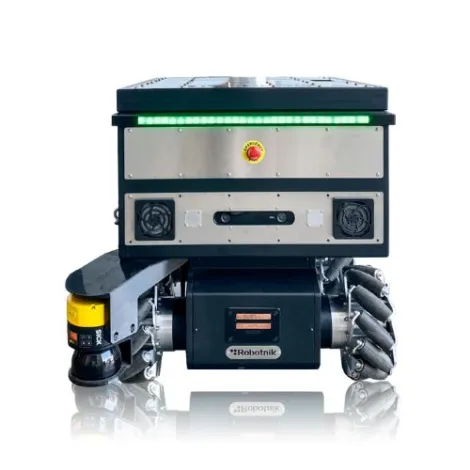
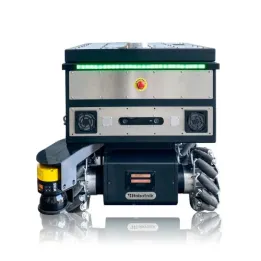
The RB-KAIROS is an autonomous mobile robot (AMR) designed for indoor logistics and transport applications, with a payload of up to 250 kg, omnidirectional kinematics and a ROS 2-based architecture.
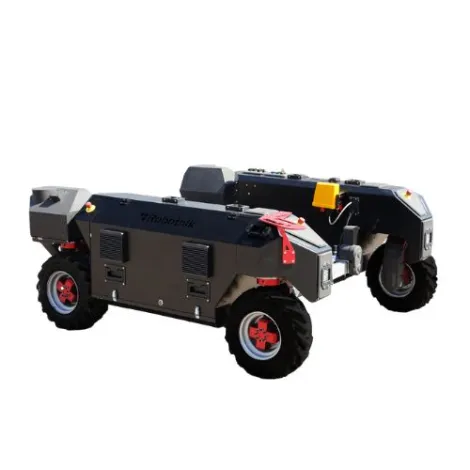
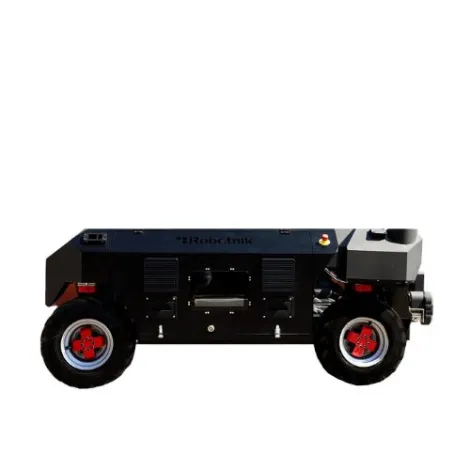
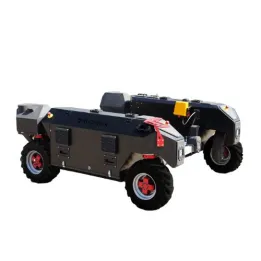
The RB-FIQUS is an outdoor mobile robot designed for transporting and handling heavy loads, featuring a modular architecture, omnidirectional kinematics and a controller based on ROS 2.
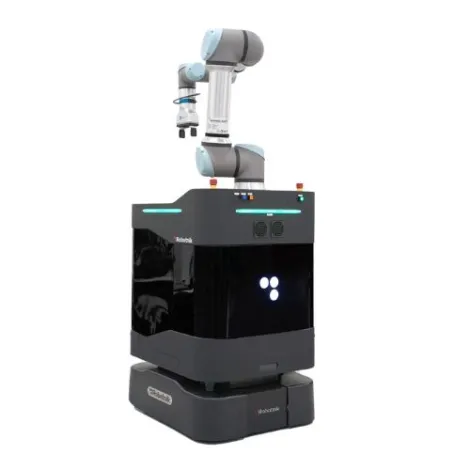
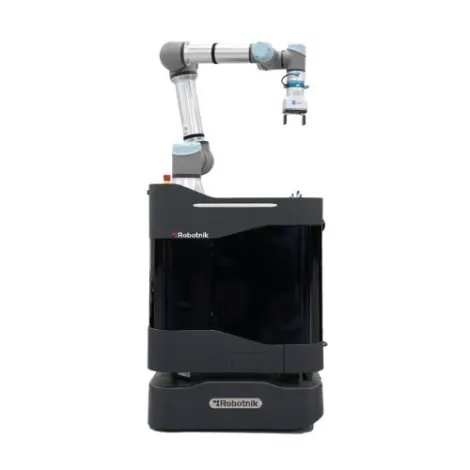
The RB-THERON+ is a mobile manipulator robot designed for R&D and manipulation operations in indoor environments, suitable for laboratories, universities, industrial sites and logistics areas where space is limited.
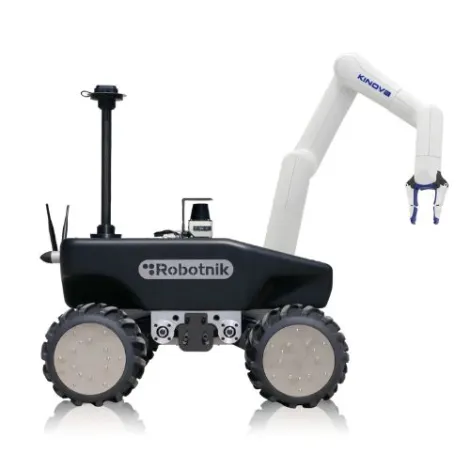
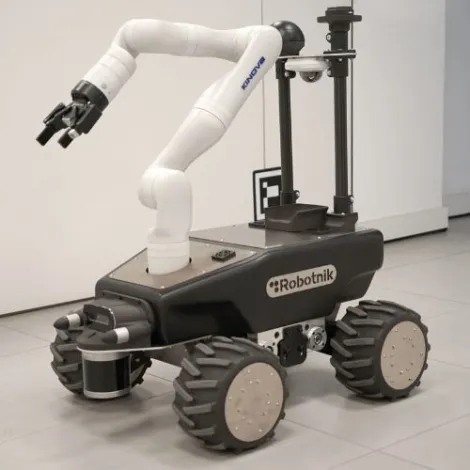
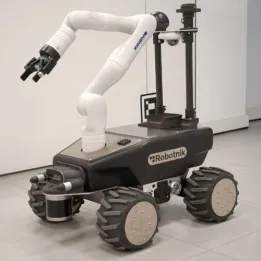
The RB-SUMMIT+ is an autonomous mobile manipulator designed for R&D use in laboratories, research centres and academic environments, for both indoor and outdoor operation. Open and modular ROS 2 architecture.
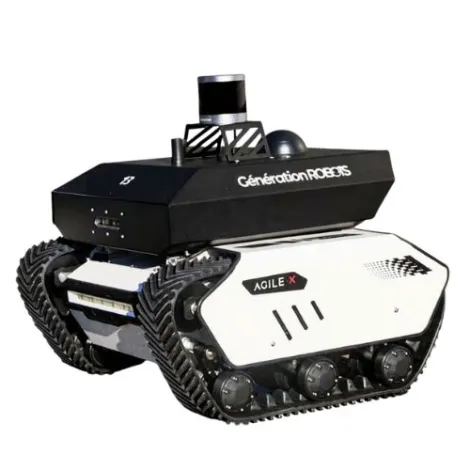

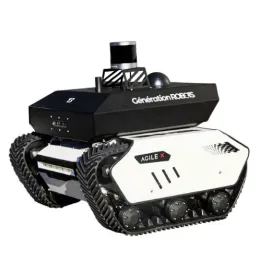
This Bunker Mini 2.0 pack with ROS 2 R&D kit is ready to use and lets you quickly start your autonomous navigation and SLAM projects.
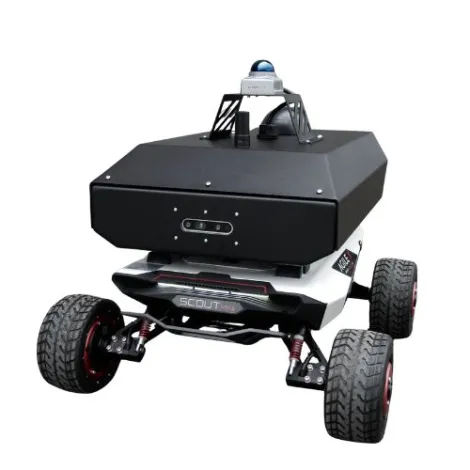
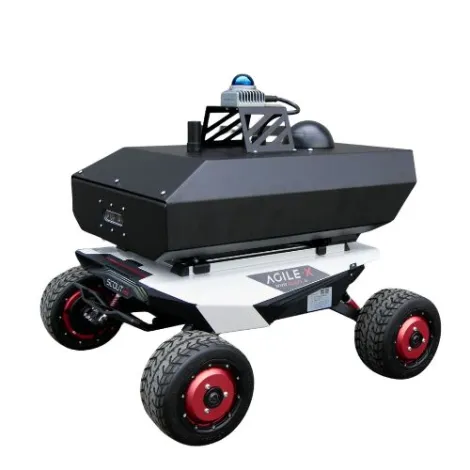
This ready-to-use pack combines the AgileX Scout Mini UGV and the GR Lab ROS 2 R&D Kit, allowing you to start without any integration phase and move straight to development.